

We are excited to have you join us this summer in Alaska, where the focus will be on clean air, climate change, and policy in one of the most remote landscapes on the planet. Alaska, considered the last frontier, is characterized by vast expanses of wilderness and unexplored terrain. Students on this program will have an unforgettable experience as they camp near glaciers, backpack rugged coastline, and observe Alaskan wildlife in its natural habitat. On this field study, students will gain an acute awareness of the challenges faced in this region due to human impacts and a changing climate. Students will learn the necessary principles for how to perform valid visible emissions observations, complete a marine debris project, hone their skills as naturalists, and discuss and debate pressing environmental issues. Students will depart with a deep understanding and a lasting appreciation for Alaska and its unique landscapes, wildlife, cultures, and policies.


Background Information
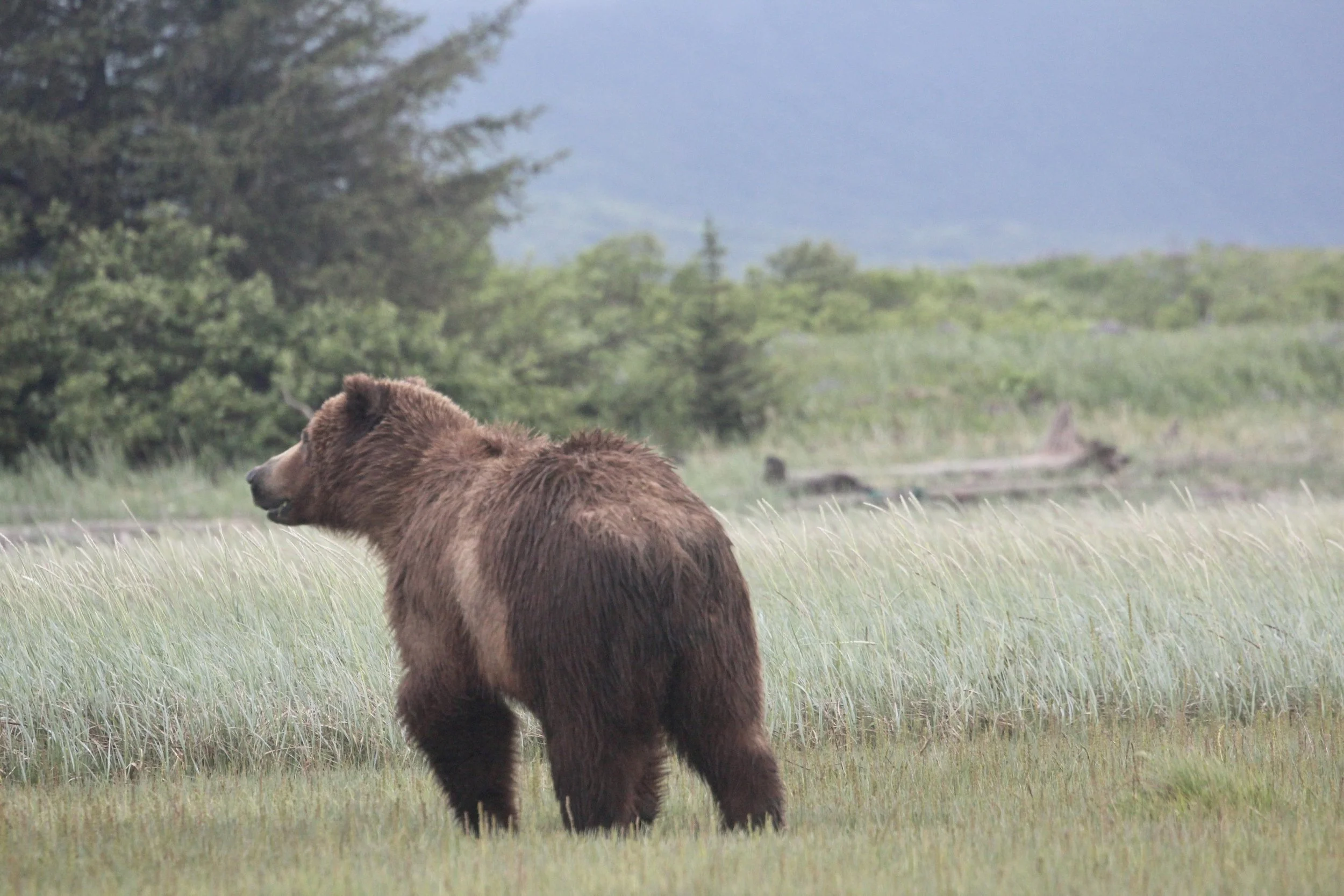
Alaska, renowned for its formidable peaks and vast wilderness, has been an alluring destination for centuries, igniting the curiosity of scientists and explorers from all over the world. Alaska's impressive size — an area that amounts to one-fifth of the continental U.S. — is matched by over 6,500 miles of coastline, mountains that reach over 20,000 feet into the sky, and glaciers that currently release approximately 75 billion tons of fresh water into the ocean each year. Alaska's awe-inspiring geography supports an abundance of diverse biological communities, and in this sparsely populated place, wildlife can still roam free. From rich coastal waters where marine mammals flourish, to glacier-fed rivers critical for spawning salmon, to alpine meadows and tundra fields where large mammals often outnumber humans, the opportunity to observe wildlife in Alaska is unparalleled.
Due to its dynamic landscape, Alaska's climate varies from oceanic to subarctic to arctic, with approximately a third of the region sitting above the Arctic Circle. Because of Alaska's high latitude, the United States is considered to be one of the world's eight Arctic Nations. Alaska Native communities have made this region their home for thousands of years, forming an intimate connection with the environment and relying on it to sustain their livelihood. They have developed sophisticated methods to adapt to the harsh climate, and they have persevered in the face of numerous challenges, including maintaining their cultural traditions while adapting to modern-day society.
Alaska is undergoing an unprecedented rate of change, and the effects of warmer temperatures are being felt. As glaciers melt and permafrost thaws, a warming Alaska presents complex challenges that are centered upon the cost of protecting threatened communities, the potential for carbon capture and sequestration tactics, and economic vitality through resource management. Participants on this program will investigate glacier-fed watersheds, aquatic ecosystems, fisheries, wildlife, and other environmental systems while considering how climate change and human activities are altering these interconnected environments.

Program Goals and Activities
The goals of the Alaska Program are several-fold. Through hands-on field activities, environmental data analysis, research, community engagement, and real-world case studies, students will become skilled naturalists by identifying the flora, fauna, and geological features that characterize the landscape. Using Alaska as a natural laboratory, students will explore how science, policy, and communities can work together to address complex environmental challenges.
Environmental Monitoring and Critical Thinking
How do we know that an environmental problem exists, and how can we produce reliable evidence to understand it? Through field observation, environmental monitoring, research, and data analysis, students will learn how environmental information is generated, evaluated, and communicated. A marine debris project will provide a hands-on example: students will collect and categorize debris, analyze their findings, consult scientific literature, and consider how local observations contribute to broader efforts to understand and address marine pollution. Field studies throughout the program will further develop students' abilities as naturalists as they observe Alaska's wildlife, vegetation, geology, glaciers, rivers, and coastal environments. By distinguishing evidence from assumptions, asking meaningful questions, evaluating scientific information, and communicating conclusions, students will develop practical skills in critical thinking and scientific inquiry. The emphasis is not simply on learning what is happening in Alaska, but on understanding how we know what is happening — and how reliable evidence can inform our understanding of complex environmental problems.
Air Quality Management and Atmospheric Science
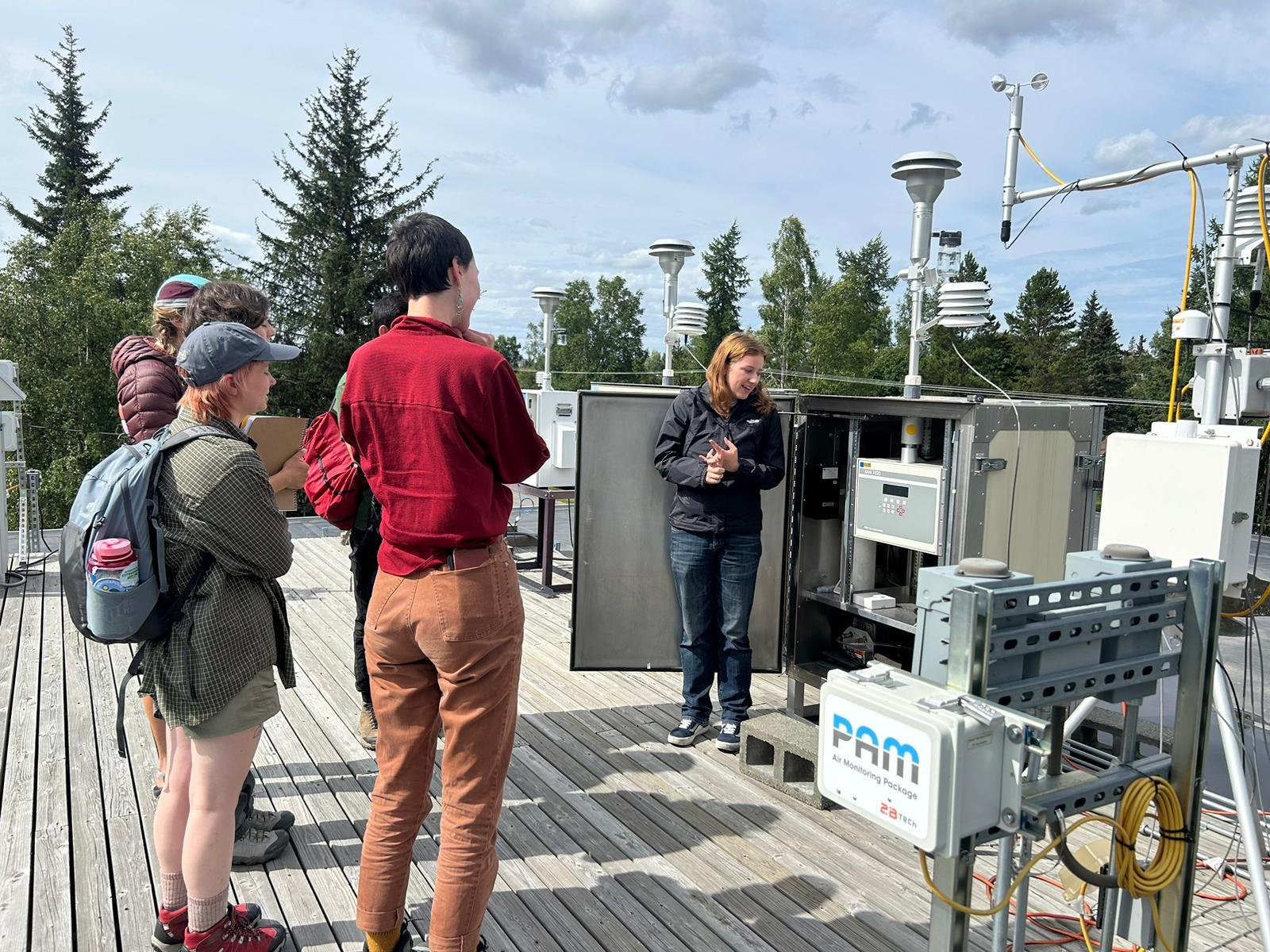
How do we measure air pollution, determine its sources and impacts, and develop effective strategies for protecting air quality? Students will examine how the Clean Air Act provides the framework for protecting ambient air quality and how air pollution is monitored, inventoried, modeled, and regulated to protect human health, ecosystems, and visibility. At an air quality monitoring site, students will observe how monitoring networks generate the data used to assess air quality and inform regulatory decisions. Students will also have the rare opportunity to receive hands-on training in visible emissions monitoring by learning how meteorological, positional, and observational information is combined with digital imagery to monitor industry compliance with emissions standards. Through these experiences, students will understand how field observations can support scientific research, regulatory compliance, modeling, environmental decision-making, and community planning.
Policy, Energy, and Natural Resources
How can communities protect environmental resources while meeting societal needs, and how does scientific information become environmental policy? Alaska provides a unique setting for exploring these questions through case studies involving oil and gas, fisheries, subsistence, renewable energy, resource development, and protected areas. Students will examine how Alaska's oil industry has shaped environmental conditions and economic development, while exploring how some of the state's major fisheries have become models for sustainable resource management. Students will engage with stakeholders, analyze environmental policy case studies, and consider the feasibility, benefits, trade-offs, and potential unintended consequences of different approaches. By connecting scientific evidence with stakeholder perspectives and real-world decision-making, students will learn how environmental problems are translated into policy and how communities navigate the complex relationship between conservation, economic development, and sustainability.
Climate Resilience and Sustainable Communities
How can communities build a resilient and sustainable future in a changing climate? Alaska provides an exceptional setting for exploring how communities, scientists, managers, and policymakers can work together to understand environmental change and develop effective solutions. Students will explore how Alaska's changing climate creates opportunities to rethink how communities manage ecosystems, infrastructure, natural resources, energy, and economic development. Through field experiences and engagement with local communities, scientists, managers, and other experts, students will examine innovative approaches to climate adaptation, greenhouse gas reduction, sustainable resource use, and community resilience. They will consider how Alaska's geography, environment, cultures, and economies shape opportunities for sustainable development and how communities can use scientific information to guide informed decisions. Students will evaluate potential solutions based on their environmental benefits, feasibility, social and economic implications, trade-offs, and potential unintended consequences. The emphasis will be on solutions thinking — equipping students to move beyond identifying environmental challenges toward envisioning practical strategies that strengthen communities while supporting healthy ecosystems and long-term sustainability.
No prior field research experience is required. All field methods and skills for data acquisition will be taught during the course. We expect students to have a positive and engaging attitude throughout the course. In exchange, they will be rewarded with an incredible experience, exploring a region whose unique landscape and culture have touched those who visit and whose ecosystems remain largely unexplored.


Academic Credit
Students will receive 15 quarter credits/10 semester credits from Western Washington University. Our staff will be happy to explain the program in further detail to the applicant's advisor, if necessary. This field studies program gives credit in three courses:
ESCI 437A, Environmental Wildlands Studies (5 quarter credits/3.35 semester credits)
ESCI 437B, Environmental Field Survey (5 quarter credits/3.35 semester credits)
ESCI 437C, Wildlands Environment and Culture (5 quarter credits/3.35 semester credits)
Students will be evaluated on the basis of 1) active participation in our learning process and activities; 2) examinations and quizzes; 3) field journals; 4) independent research essays/presentations; and 5) development and presentation of a group research project.
Team Logistics
Participants will fly into Anchorage, Alaska, and meet the instructors at the Anchorage International Airport. At the end of the program, you can decide whether you want to fly home on the scheduled date or remain in Alaska to travel on your own.
All reasonable efforts will be made to follow the activities outlined above. However, please understand that on our Alaska program, travel arrangements can remain tentative until the traveling actually takes place. Weather conditions, road closures, and other environmental considerations may affect our plans. Wildlands Studies has put together an innovative, unique program in Alaska, and team members need to be flexible, patient, and prepared to adapt to unexpected situations. Being flexible also allows us to take advantage of unique opportunities that arise during our journeys, often producing some of the program's most memorable moments.
Participants are required to bring their own camping and backpacking equipment (tent, sleeping bag, backpack, etc.). A complete, detailed packing list will be provided to all participants.
Accommodations
We will use a combination of tent camping, backpacking, and rustic indoor lodging, mountain hut or field research station. While some campgrounds and lodging will have facilities such as restrooms and showers, backpacking and some campgrounds will be primitive with no developed facilities.
FOOD
Food is handled differently on each of our programs. Participants on this program will be responsible for purchasing and cooking their meals. Occasional meals will be provided by Wildlands Studies as group meals. Participants will also be responsible for purchasing snacks. Detailed information about food management will be provided in the Logistics Packet. If you have dietary questions or concerns, please call our office.
Essential equipment
Gear requirements vary by program based on climate, academic focus, and location. For this program, students must supply all their own gear, including a high-quality waterproof tent, warm sleeping bag, sleeping pad, backpacking stove, cooking gear and backpacking pack. Students who don't already own these items should factor them into their budget. A detailed gear list will be provided in the Logistics Packet.
Health and Well-Being
Each participant’s personal health and well-being are crucial to the success of the program and the health and well-being of its other participants. Participants must arrive to the program having reviewed our Health and Well-Being Page.
Language
The course will be taught in English.
Pre-Program Logistics Packet
Detailed information regarding travel and flight logistics, equipment and gear requirements, food costs, meeting plans, group expense payments, medical recommendations, and academic preparations will be sent to all team members in a Logistics Packet emailed approximately ten to twelve weeks before the program starts.
