
Domestic and International Field Programs
All Environmental Field Programs

Wildlife, Air Quality and Environmental Policy
15 Quarter Credits
Summer 2027

The Great Barrier Reef, Ancient Rainforests and Unique Wildlife
15 Quarter Credits
Summer 2027

Tropical Ecology, Wildlife and Coral Reefs
15 Quarter Credits
Winter 2027
Winter 2028

Patagonia, Land Stewardship and Conservation Strategies
15 Quarter Credits
Winter 2027
Winter 2028

Equatorial Ecology, Biodiversity and Wildlife
15 Quarter Credits
Winter 2027
Winter 2028

Marine Life, Warming Oceans and Rising Seas
15 Quarter Credits
Spring 2027
Summer 2027
Spring 2028

Arctic Ecosystems, Climate Change and Carbon Cycles
15 Quarter Credits
Summer 2027

Island Biogeography, Tropical Ecology, and Wildlife Conservation
15 Quarter Credits
Summer 2027

Marine Biology of the Japanese Archipelago
15 Quarter Credits
Fall 2026
Fall 2027

Himalayan Habitats, Climatic Zones and Ecological Vulnerabilities
Fall 2026
Spring 2027
Fall 2027
Spring 2028

Island Ecosystems, Dramatic Landscapes and Endemic Species
15 Quarter Credits
Fall 2026
Spring 2027
Fall 2027
Spring 2028

Marine Ecosystems, Reef Resiliency and Warming Oceans
15 Quarter Credits
Winter 2027
Winter 2028

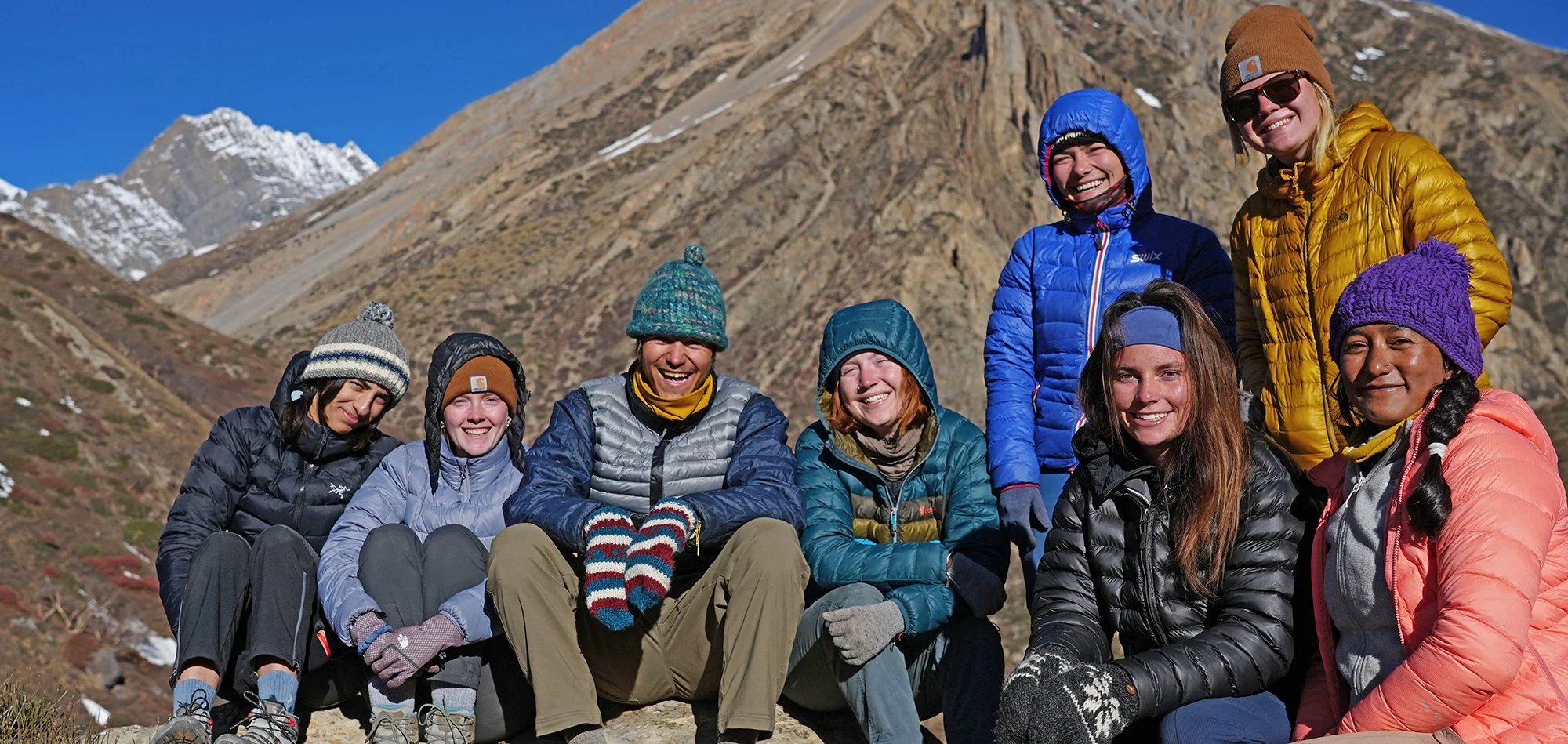
Wildlands Studies programs are a rare and fascinating opportunity to explore our wildlands firsthand.
You will strive toward shared goals with experienced instructors and new friends, gaining knowledge and insight as you learn about the challenges facing the region.

We invite you to join one of our programs for
a life-changing and eye-opening experience.
Our program listings provide detailed information about each location, research activities, academic curriculum and credit, costs and instructor profiles. As concerned citizens we invite you to join one of our teams, and help in the effort to solve critical problems facing our wildlands and wildlife populations.

Wildlands Studies programs occur entirely in the field.
Although not taught in a classroom, there are definite academic expectations: participation in discussions and activities, readings, exams, projects and presentations. There will also undoubtedly be long days, possible inclement weather, logistical challenges, and physically demanding conditions. This comes as well with unsurpassed personal rewards. You will get the most out of the experience if you bring along flexibility, ample patience, a sense of humor, self-motivation, and perhaps most importantly, the desire to work as a team towards a common goal.
