

Alaska
Wildlife, Air Quality and Environmental Policy
Program Details
Location: Anchorage, Alaska
Dates: Summer 2027: June 23 – August 5, 2027
Accommodations: Primarily camping, short backpacking trip
Credits: 15 quarter credits or 10 semester credits
Language: English instruction
Courses: Environmental Wildlands Studies, Environmental Field Survey, Wildlands Environment and Culture
Prerequisites: One college course in environmental studies, environmental science, ecology or similar. 18 years of age.
Minimum 2.5 GPA
Program Costs
Alaska Summer 2027
$ 150 Application Fee
$ 8,600 Program Fee
$ 4,700 Group Logistics Fee
$ 850 Estimated Airfare and Mandatory Travel Insurance
$ 1,200 Estimated Personal Expenses
$15,500 Total Estimated Cost
Summer 2027: Program fees due by May 1, 2027

The Program
Alaska is one of the most stunning places on Earth. With more than 57 million acres of designated wilderness, vast mountain ranges, glaciers, forests, tundra, and thousands of miles of coastline, Alaska is an extraordinary setting to study the relationship between people and the environment. These landscapes provide clean air, water, and critical habitat for grizzly bears, wolves, caribou, and thousands of other species, yet they are changing rapidly. Alaska is warming at more than twice the global average rate, creating environmental, economic, and social challenges that are difficult to ignore.
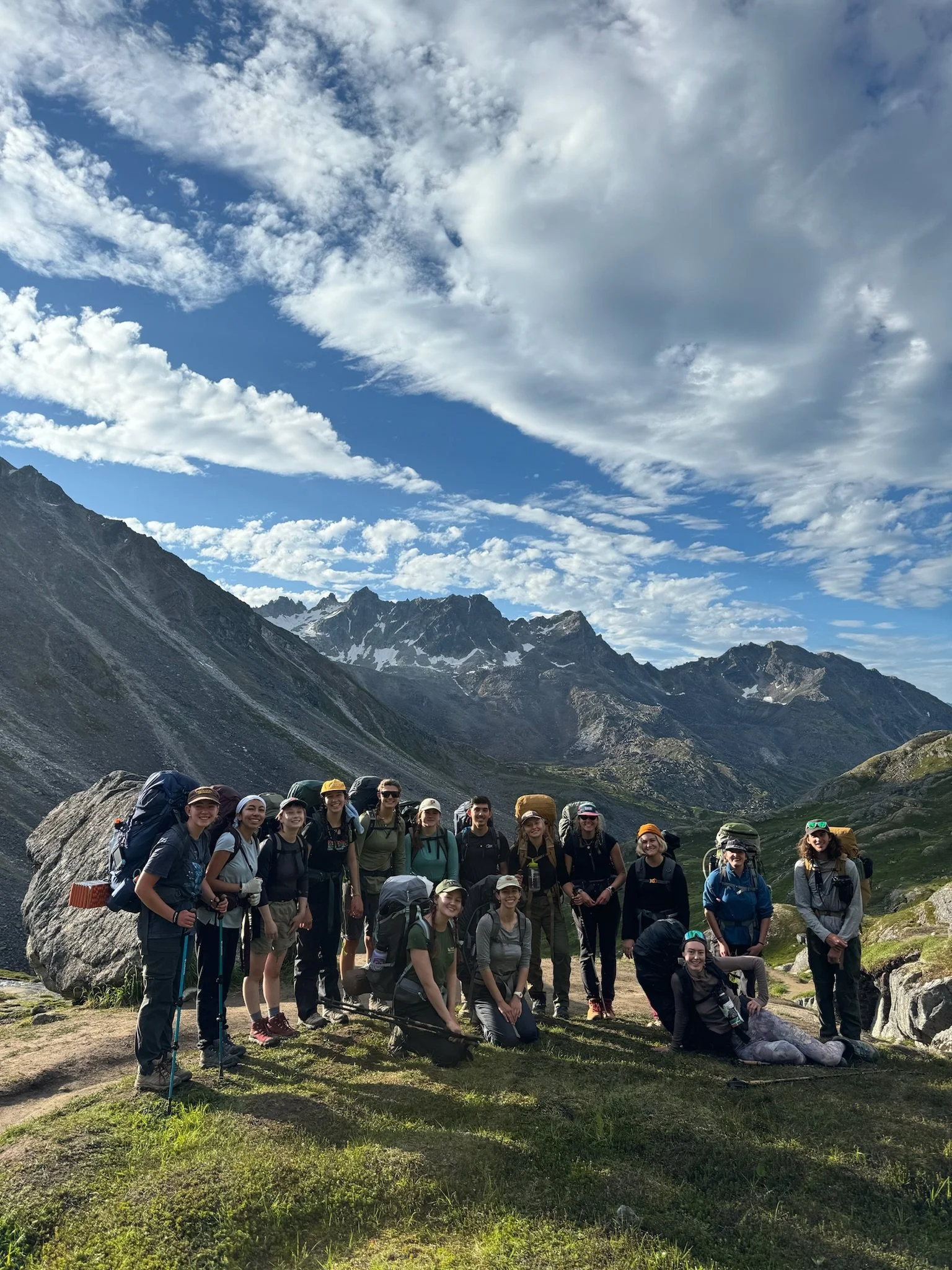
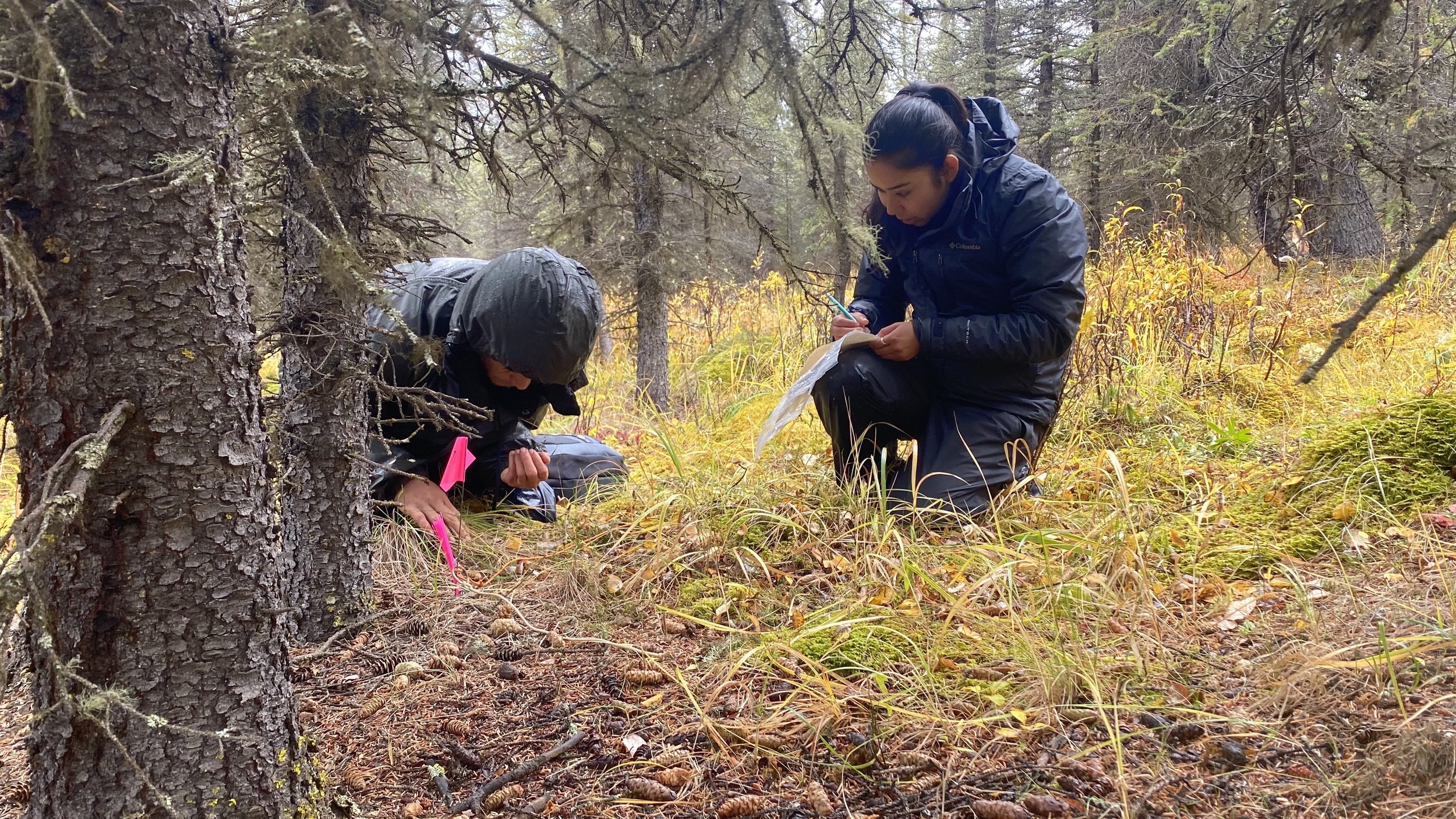
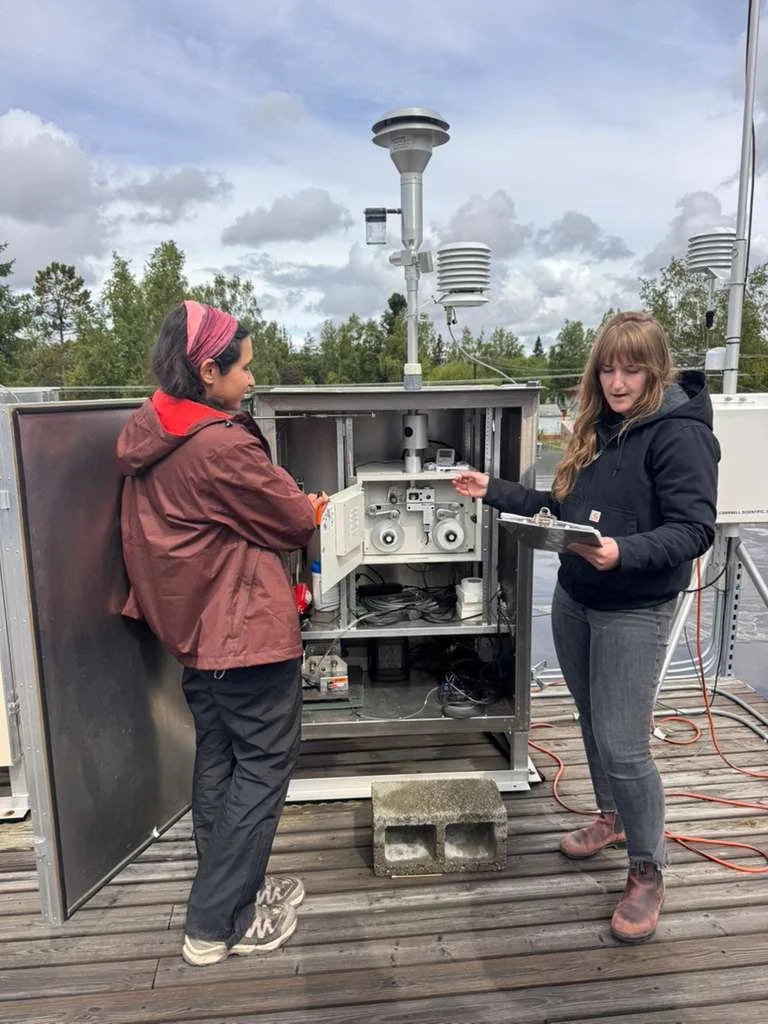
With Alaska's vast landscapes as our classroom, students will journey from mountain to coast to learn about America's iconic wildlife and investigate how environmental concerns are measured, understood, and addressed. Although field sites may vary between years, students will travel through some of Alaska's most well-known regions—the Chugach National Forest, Kenai Fjords, Wrangell-St. Elias Mountains, and Denali National and State Park—to study air quality, environmental policy, and climate science. Program highlights include camping near active glaciers and traversing rugged mountainous trails, including a few multi-night backpacks to reach tundra ecosystems and serene alpine lakes; honing our naturalist skills through species identification and searching for bears and moose, while hoping to catch a glimpse of Alaska's famous salmon runs; performing visible emissions observations and visiting air quality monitoring sites to study atmospheric health, while strategizing how to reduce emissions and improve climate resilience; discussing Alaska's renewable energy potential while at Chena Hot Springs, where students can draw direct comparisons between a geothermal plant and the neighboring Trans-Alaska Pipeline; conferring with public land managers and local organizations to examine how habitat protection and conservation policy safeguard wildlife and ecosystems while balancing competing demands for natural resources; and expanding our perspectives by learning about subsistence living and the traditional ecological knowledge of Alaska Native peoples.
By the end of the program, students will have a deep understanding of Alaska's rapidly changing landscapes, the scientific and policy tools used to monitor environmental change, and the ways communities are working to balance conservation with economic and social needs. They will leave practiced in visible emissions monitoring, wildlife survey techniques, field observation and journaling across multiple ecosystems, and research design. Students will also develop a tremendous amount of respect for the wildlife that endures in this challenging climate and the people who call America's Last Frontier their home.

Academic Syllabus

Student Program Manual





Allison Price
lead instructorMS IN RESILIENT AND SUSTAINABLE COMMUNITIES, PRESCOTT COLLEGE, 2023
Allison is an Environmental Scientist for the Air Improvement and Planning Division at the Arizona Department of Environmental Quality. She brings several years of experience in the private sector teaching and monitoring air quality with a focus on nuisance emissions and control technologies. Allison has held many roles at Wildlands Studies, including Assistant Director, Marketing Manager, Field Studies Advisor and Teaching Assistant for programs in New Zealand, Alaska and Yellowstone. Allison believes that connecting undergraduates to environmental science firsthand and introducing them to experts and field professionals empowers students to rethink traditional approaches on energy demands in response to climate change and rapid environmental changes. She is excited to bring her academic expertise and experience in air quality management to our newest program in Alaska, and showcase her favorite places in America’s grandest state with a lens on air quality and protection.
