Ecuador
Equatorial Ecology, Biodiversity and Wildlife
Program Details
Location: Quito, Ecuador
Dates: Winter 2027: January 20—March 4, 2027
Winter 2028: January 19—March 2, 2028
Applications: Accepted on a rolling admission basis
Accommodations: Research stations, occasional camping, youth hostel or rural lodge
Credits: 15 quarter credits or 10 semester credits
Language: English instruction
Courses: Environmental Wildlands Studies, Environmental Field Survey, Wildlands Environment and Culture
Prerequisites: One college course in environmental studies, environmental science, ecology or similar. 18 years of age.
Minimum 2.5 GPA
Program Costs
Ecuador Winter 2027
$ 150 Application Fee
$ 7,750 Program Fee
$ 5,050 In-Country Logistics Fee
$ 1,700 Estimated Airfare and Mandatory Travel Insurance
$ 750 Estimated Food and Personal Expenses
$15,400 Total Estimated Cost
Winter 2027: Program fees due by November 1, 2026
Ecuador Winter 2028
$ 150 Application Fee
$ 8,600 Program Fee
$ 5,150 In-Country Logistics Fee
$ 1,700 Estimated Airfare and Mandatory Travel Insurance
$ 750 Estimated Food and Personal Expenses
$16,350 Total Estimated Cost
Winter 2028: Program fees due by November 1, 2027

The Program
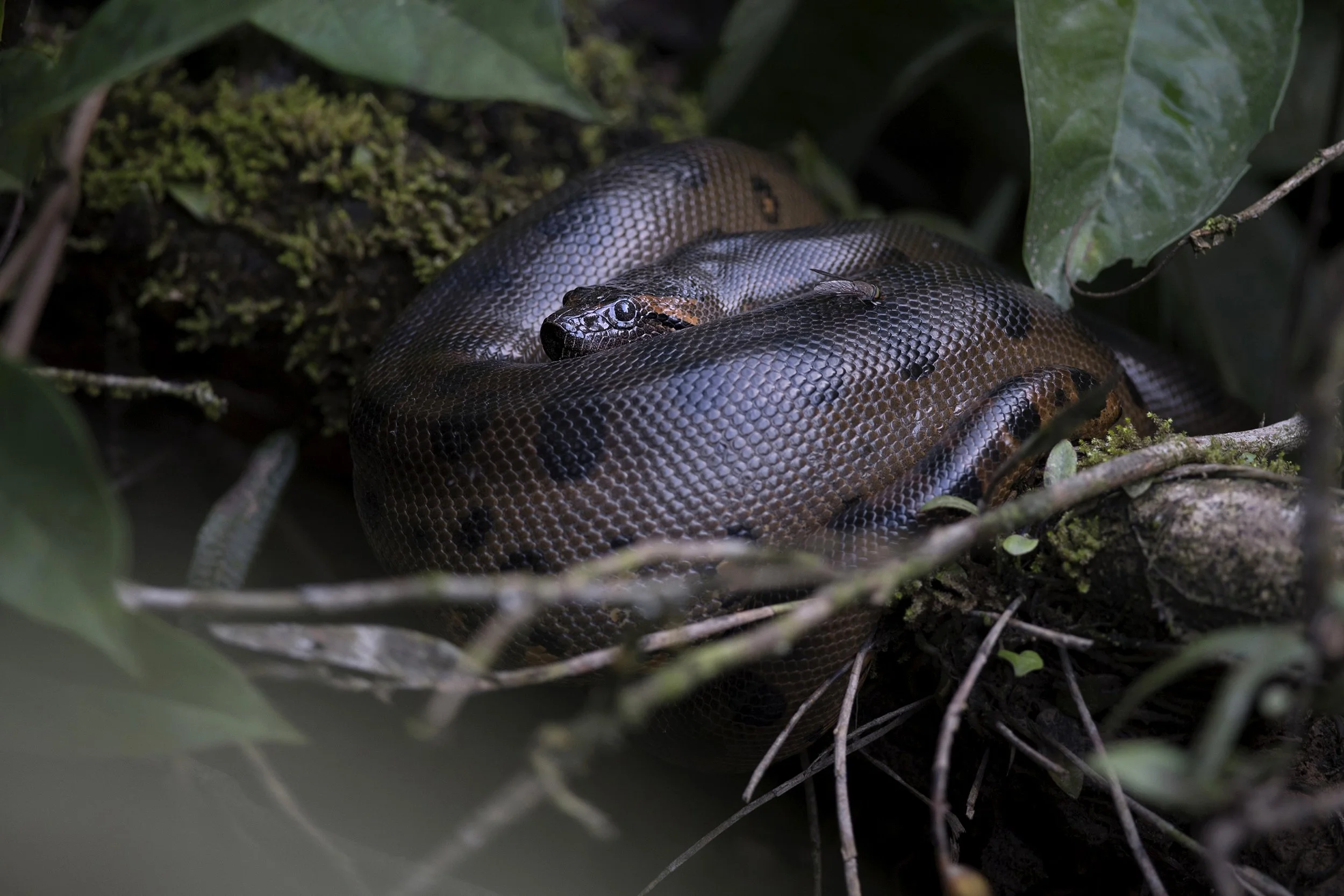
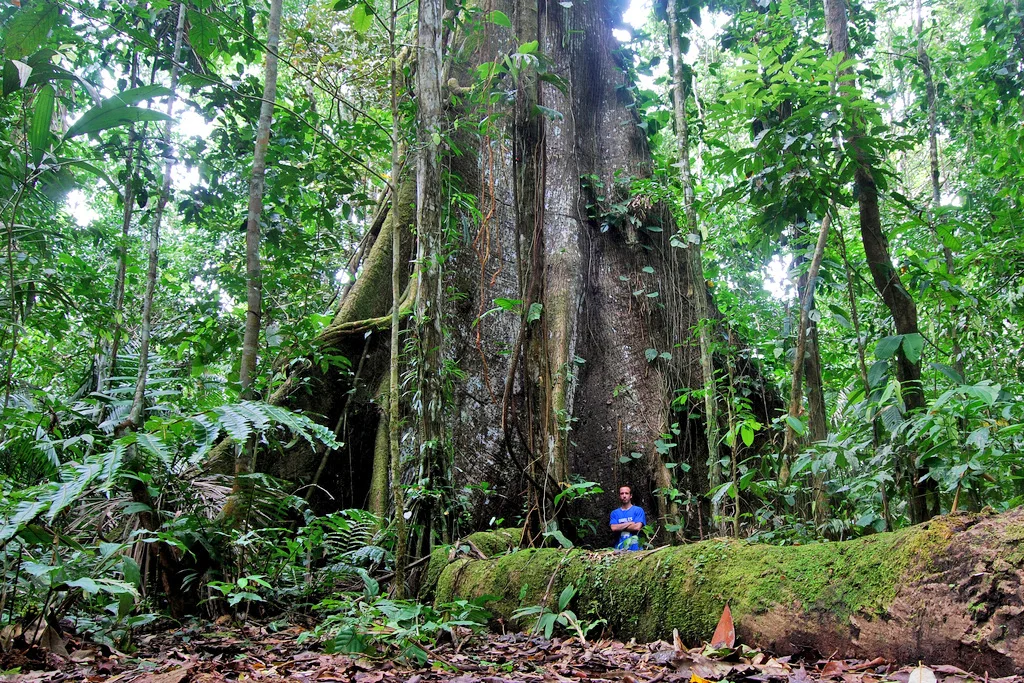
Ecuador straddles the equator and is split down its length by the massive Andes mountains. This unique combination has made it one of the world's most important biodiversity "hotspots." Giant otters, black caiman, spectacled bears, monkeys, Amazonian river dolphins, more than 1,600 species of birds, and a bewildering variety of butterflies and insects inhabit the country's forests, rivers, and grasslands, while ocean life flourishes within Ecuador's marine realm, including the renowned Galápagos Islands.
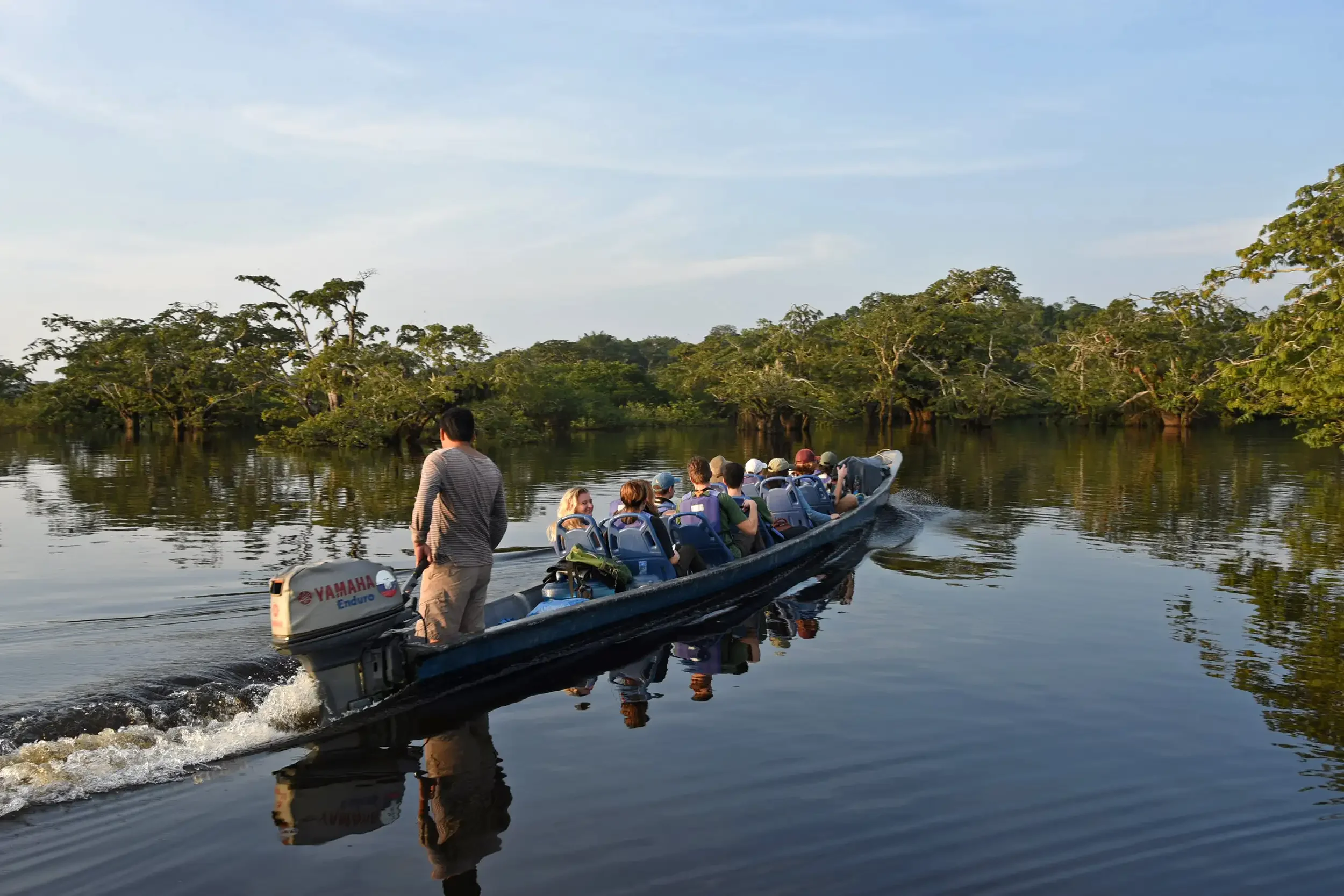
Descending from the high Andes to the lowland Amazon and out to the Galápagos, students will study ecological gradients, biodiversity, and wildlife as they complete a transect that includes some of Ecuador's most stunning landscapes. Although field sites may vary from year to year, program highlights include immersing in the cloud forest at Yanayacu Biological Station, where the trees are perpetually enveloped in fog and mist, a phenomenon that supports an abundance of endemic species and gives students the opportunity to hone their observational skills; hiking and practicing wildlife field techniques in the Río Bigal Biological Reserve, located at the base of Sumaco Volcano and home to a remarkable mix of Andean and Amazonian plants and animals; spending time at Yasuní Scientific Station in Yasuní National Park, part of a UNESCO Biosphere Reserve with the highest known biodiversity on Earth, where students complete original research projects and interact with the local Indigenous community; boating through the canopy of the flooded forest at the Cuyabeno Wildlife Reserve, a region that showcases the lowland Amazon rainforest and Ecuador's aquatic wildlife; exploring the windswept páramo grasslands of the high Andes; and visiting the Galápagos archipelago, a world-famous natural evolutionary laboratory, where students will study firsthand how extreme isolation has resulted in diverse flora and fauna that can be found nowhere else on Earth.
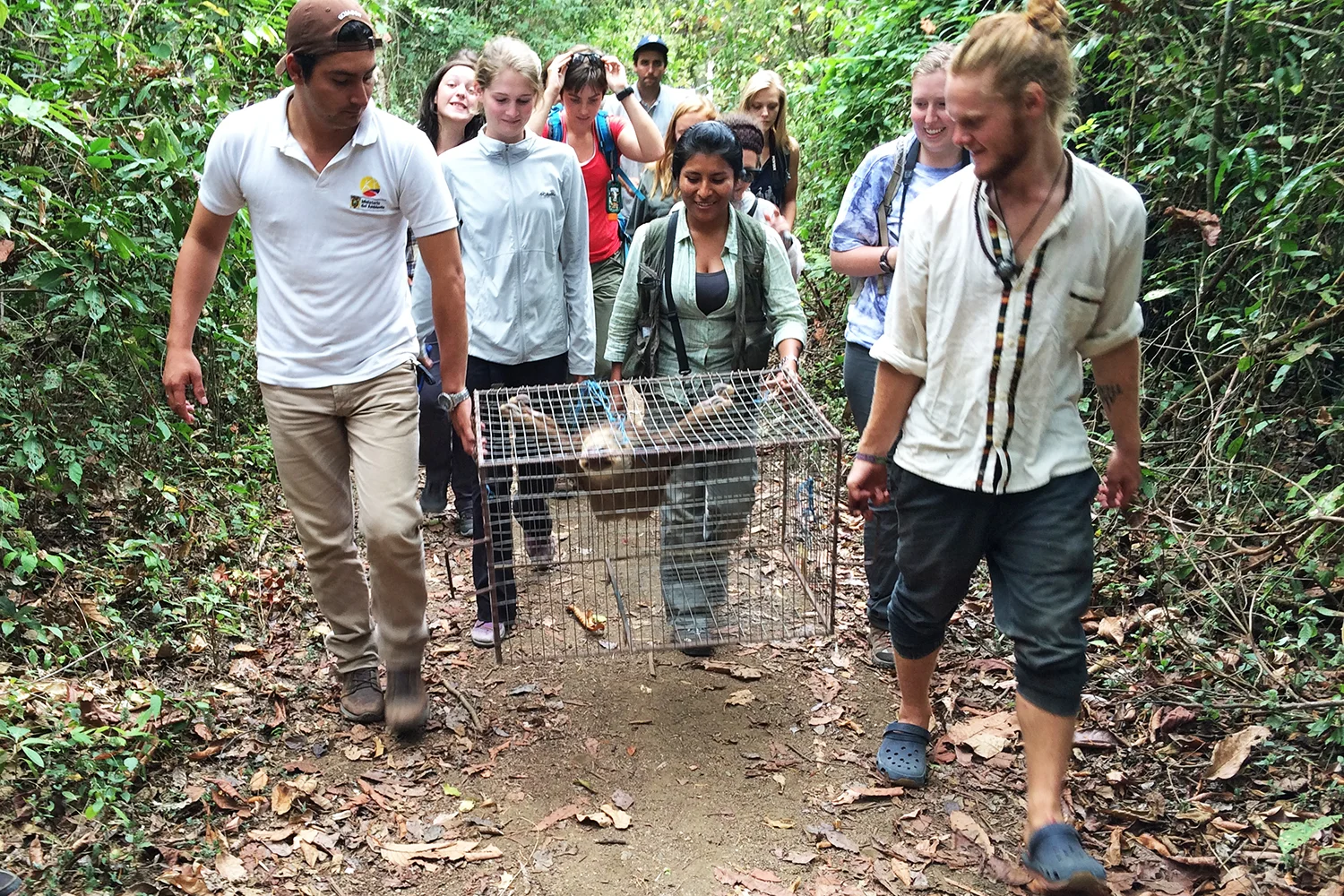
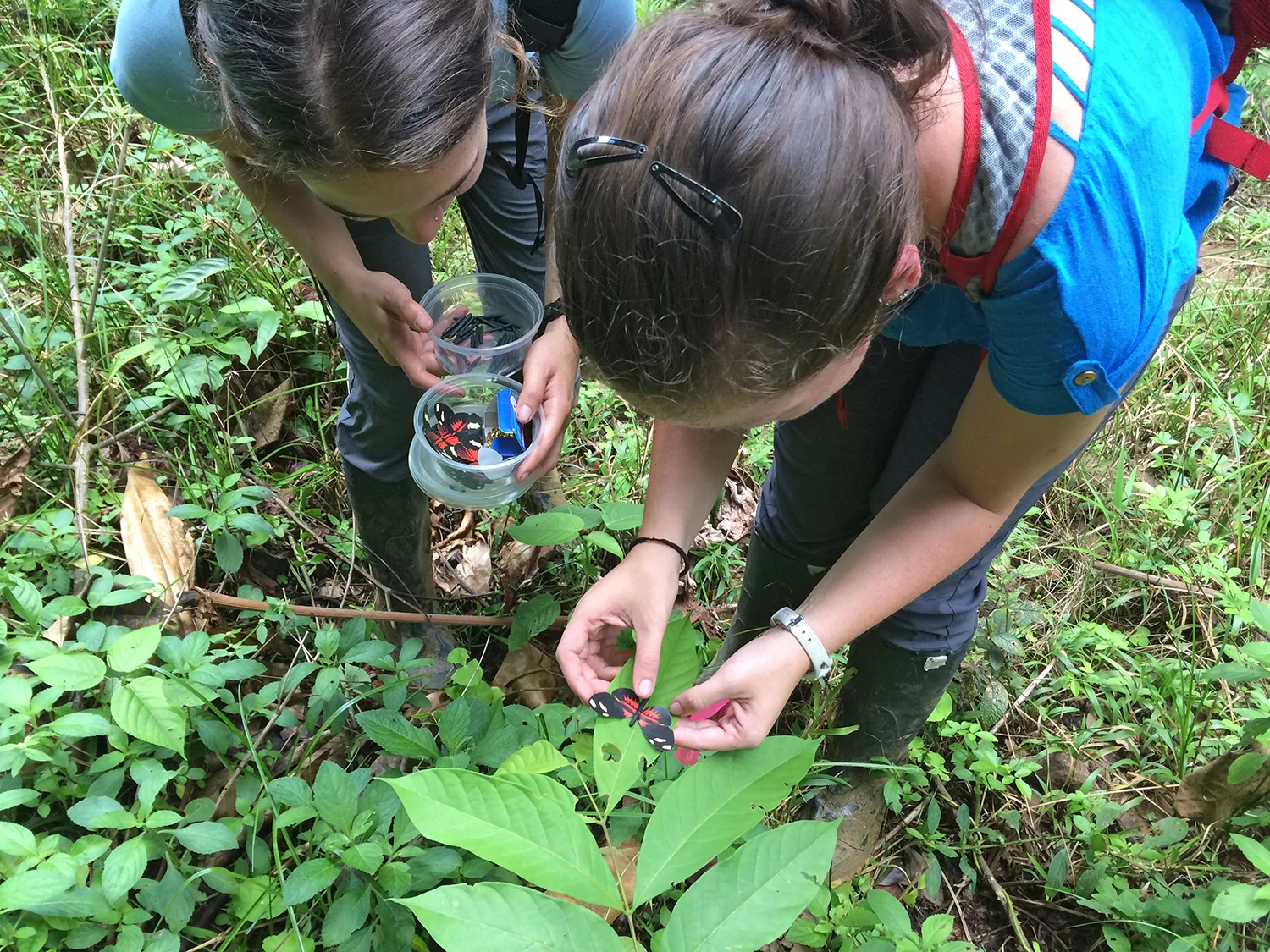
By the end of the program, students will have a deep understanding of Ecuador's natural and human landscapes, the human activities that threaten their biological integrity, and the efforts underway to restore and protect the country's vulnerable environment. In addition to designing, executing, and presenting an original research project, students will practice a range of field survey techniques and keep a detailed field journal. These foundational field skills will prepare students for a wide variety of careers in the natural sciences.

Academic Syllabus

Student Program Manual
Stories From the Field
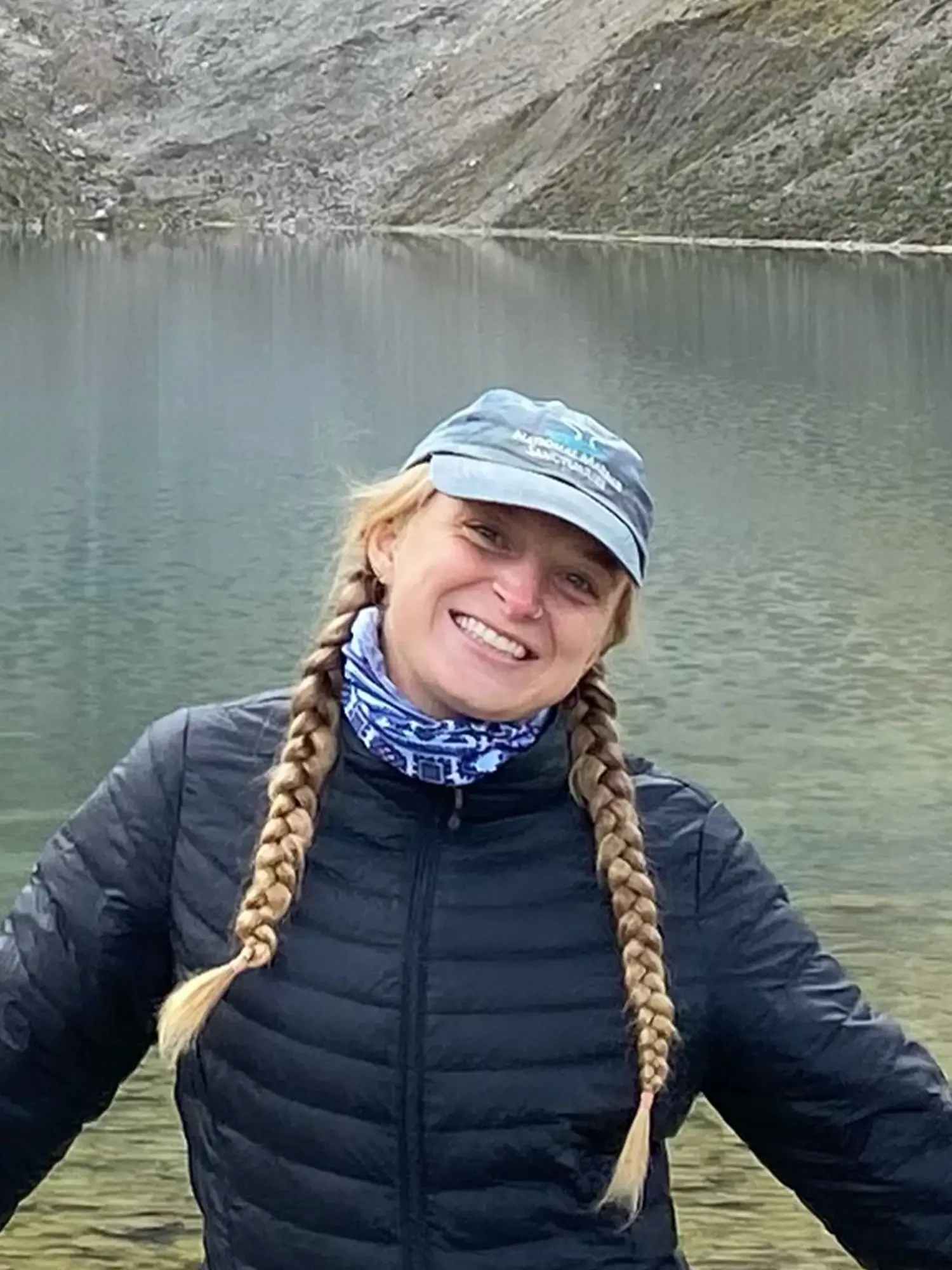
Jenna Callan
Ecuador 2025 Alumni
“The six weeks I spent in Ecuador through the Wildlands Studies Program gave me some of the best memories of my life. We travelled from the high Andes to the lowland Amazon, and finished our program in the Galapágos islands.
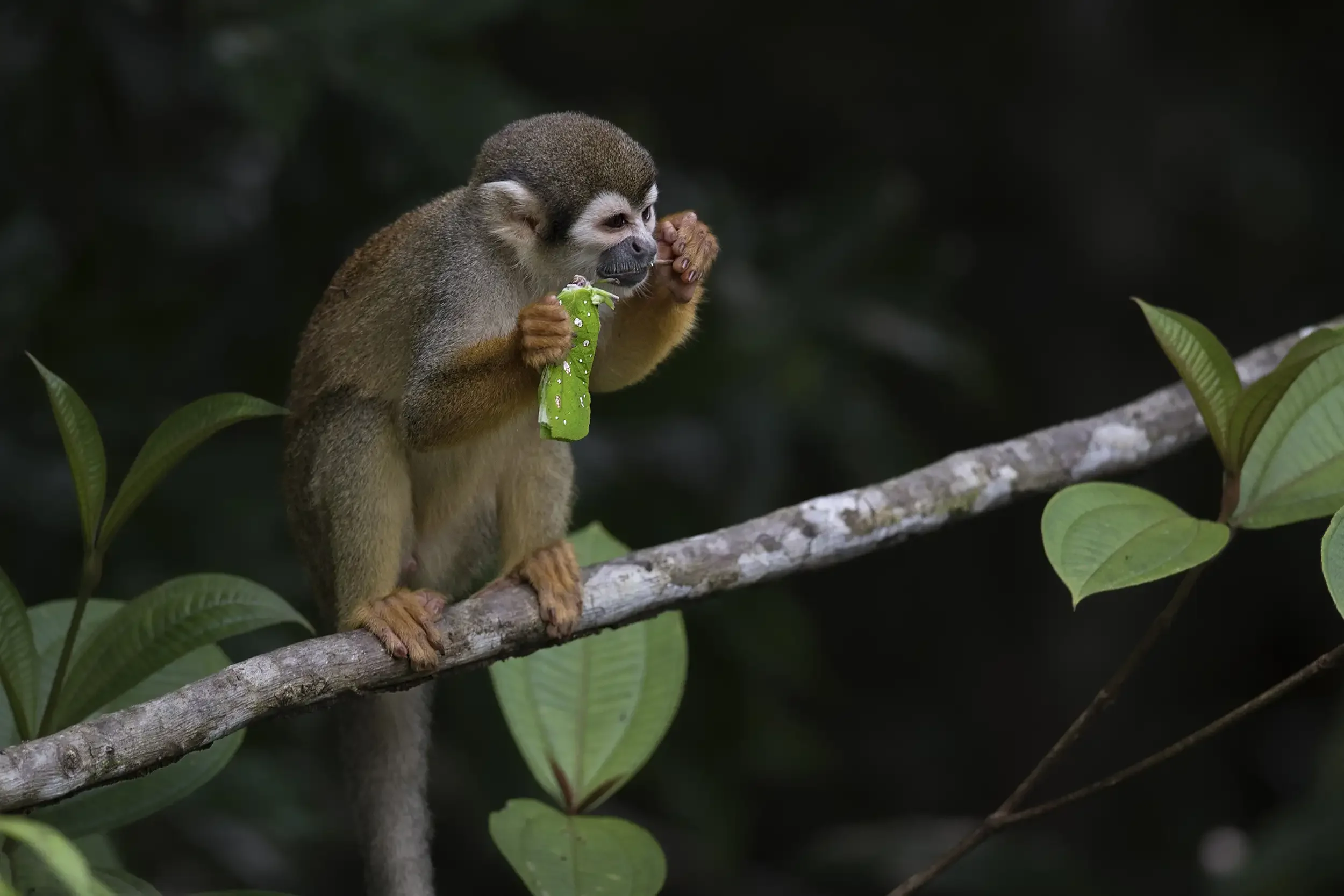
On the Ecuadorian mainland, every morning we woke up to the sounds of wildlife. Whether it was squirrel monkeys swinging in the trees, white-throated toucans screaming from the treetops, or the gentle ribbits of frogs, we were constantly reminded of the beauty and interconnectedness of the ecosystems around us.
We spent the last week of our program on the Galapágos islands and the biodiversity of these small, isolated islands was breathtaking. We snorkeled almost every day, and encountered sea lions, Galapágos green turtles, and even juvenile black-tipped reef sharks. You always had to be careful of where your flippers were because you never knew what marine life could be passing by.
Along with amazing wildlife experiences, the teaching team for the Ecuador program was incredible and ensured students gained a deep understanding of Ecuadorian ecosystems and biodiversity. With a combination of wonderful classmates, passionate instructors, and stunning biodiversity, I could not have asked for a better study abroad experience.”
View fullsize
![]()
Watch the Ecuador Video
Program Photo and Video Gallery






Geoffry R. Gallice
lead instructorPhD in Entomology, University of Florida, 2015
Geoff is a tropical biologist and conservationist based in Peru's Madre de Dios region. His research interests are primarily in tropical butterflies, and he has several ongoing projects to study butterfly diversity, ecology, and evolution in southeastern Peru. He also leads the Alliance for a Sustainable Amazon, a non-profit organization working in Madre de Dios that aims to conserve Amazonian biodiversity and other natural resources through basic biological research, reforestation and agroforestry, and environmental education and outreach. Geoff has been teaching with Wildlands Studies since 2012 and currently leads our Ecuador program.