Program Details
Location: Puerto Montt, Chile
Dates: Winter 2027: January 20—March 4, 2027
Winter 2028: January 19—March 2, 2028
Applications: Accepted on a rolling admission basis
Accommodations: Primarily camping, occasional youth hostel or rural lodge
Credits: 15 quarter credits or 10 semester credits
Language: English instruction
Courses: Environmental Wildlands Studies, Environmental Field Survey, Wildlands Environment and Culture
Prerequisites: One college course in environmental studies, environmental science, ecology or similar. 18 years of age.
Minimum 2.5 GPA
Program Costs
Chile Winter 2027
$ 150 Application Fee
$ 7,750 Program Fee
$ 5,050 In-Country Logistics Fee
$ 1,900 Estimated Airfare and Mandatory Travel Insurance
$ 850 Estimated Food and Personal Expenses
$15,700 Total Estimated Cost
Winter 2027: Program fees due by November 1, 2026
Chile Winter 2028
$ 150 Application Fee
$ 8,600 Program Fee
$ 5,150 In-Country Logistics Fee
$ 1,900 Estimated Airfare and Mandatory Travel Insurance
$ 850 Estimated Food and Personal Expenses
$16,650 Total Estimated Cost
Winter 2028: Program fees due by November 1, 2027

The Program
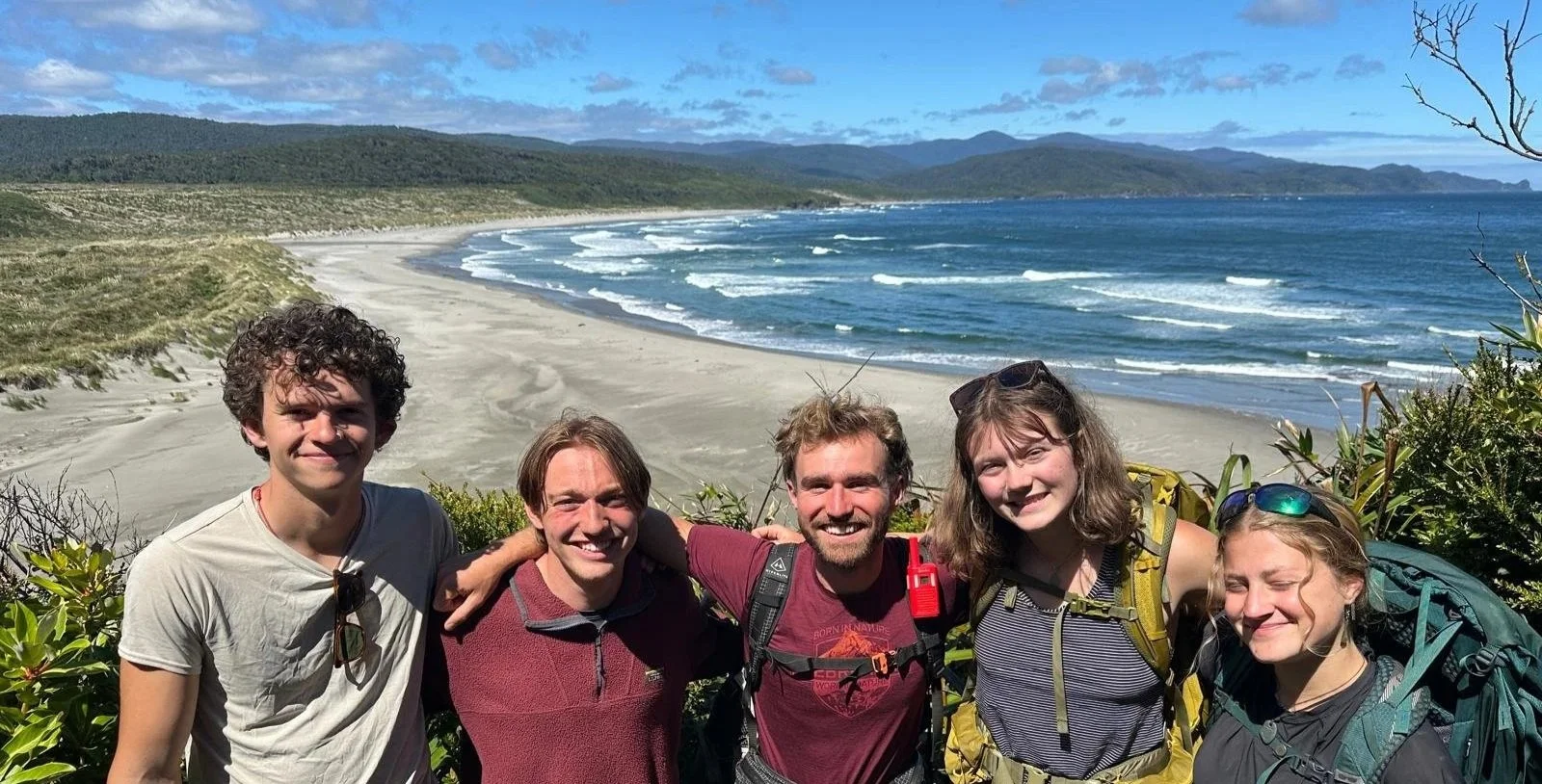
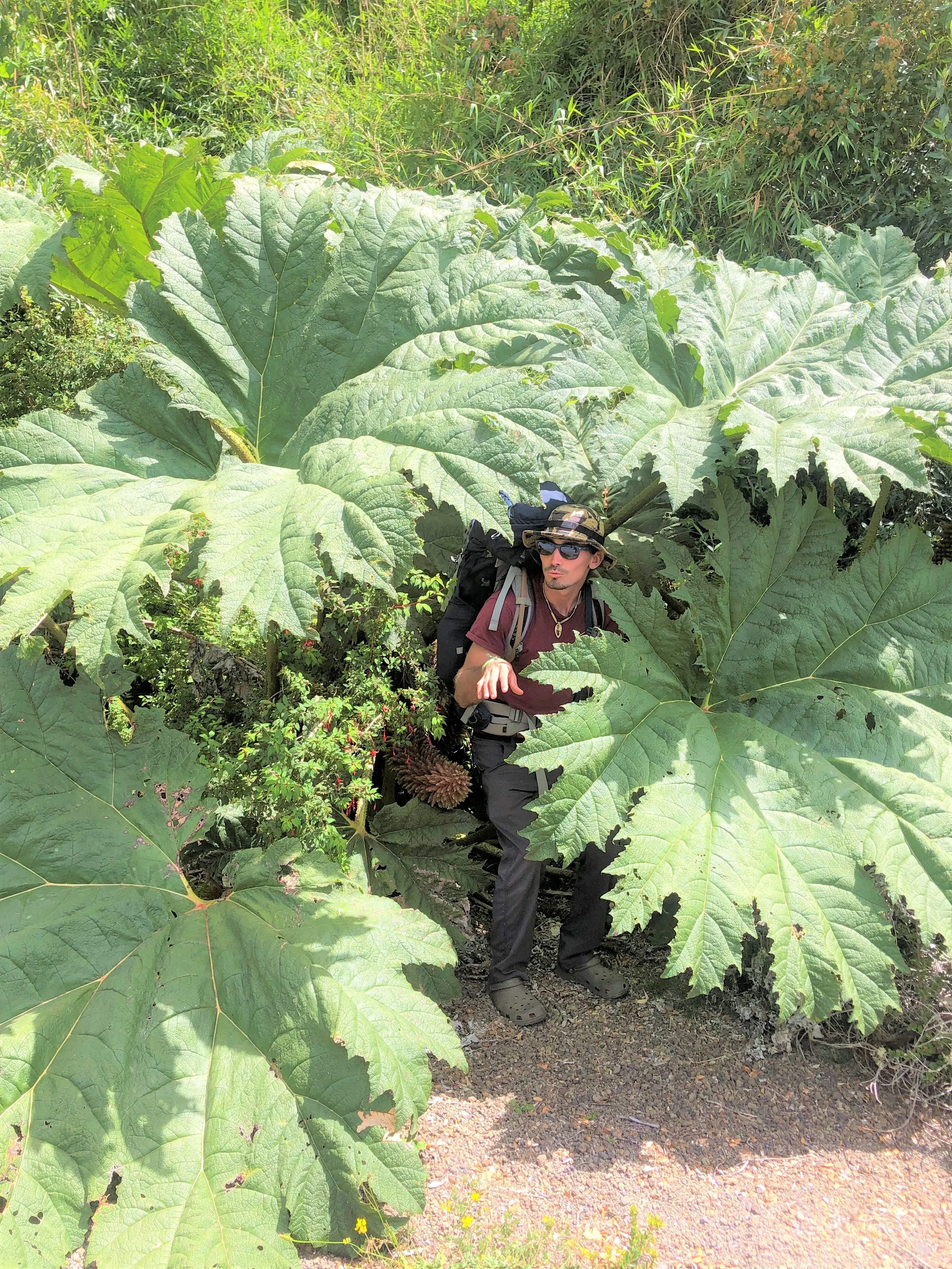
With ecosystems spanning the Andes to the Pacific Coast, Chilean Patagonia is an ideal setting for our field study. As we travel through Chile’s Los Lagos region, we will stay at field stations, camp in private conservation parks, and complete multi-day treks to reach some of Patagonia’s most ecologically fascinating landscapes.
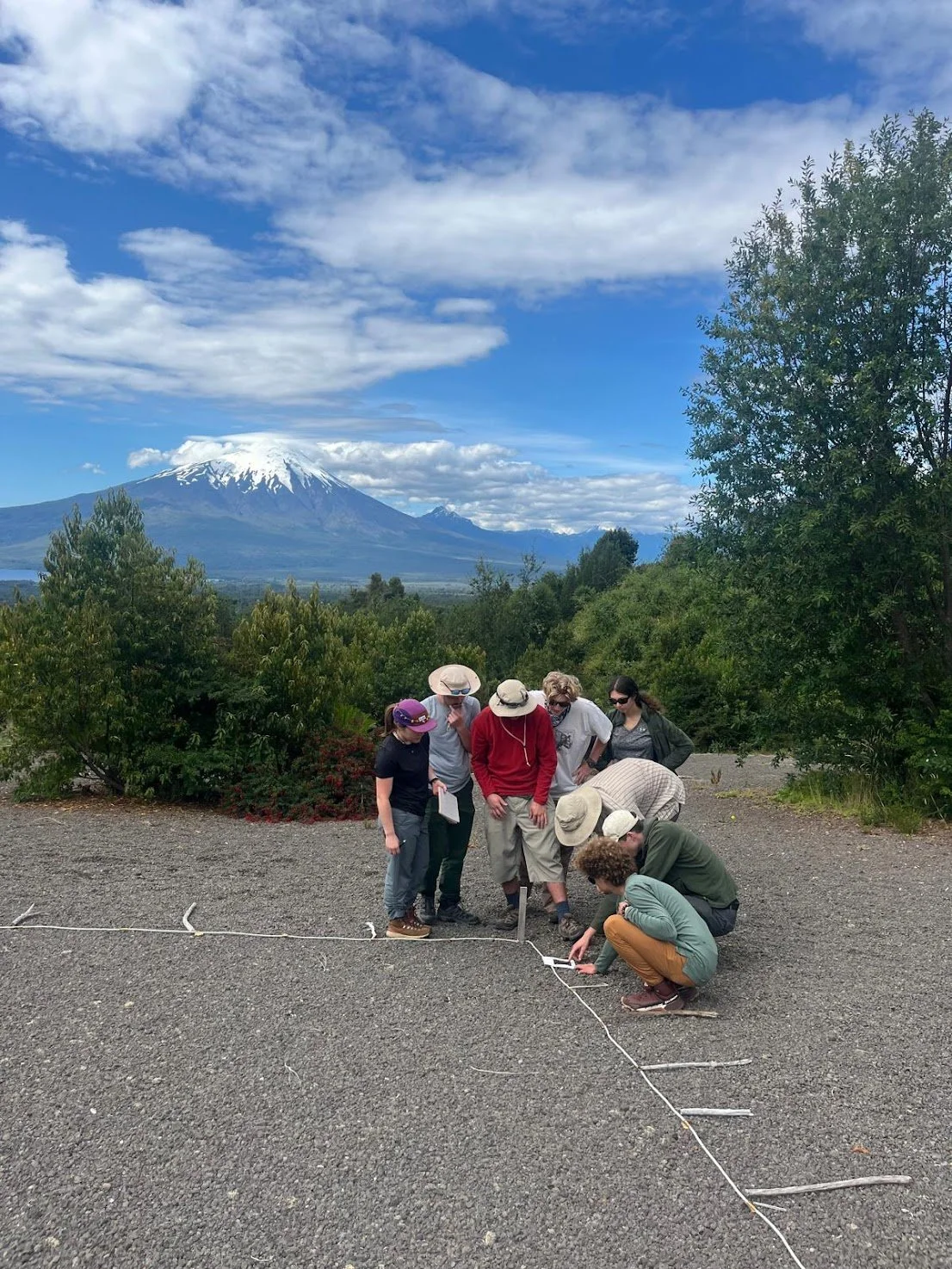
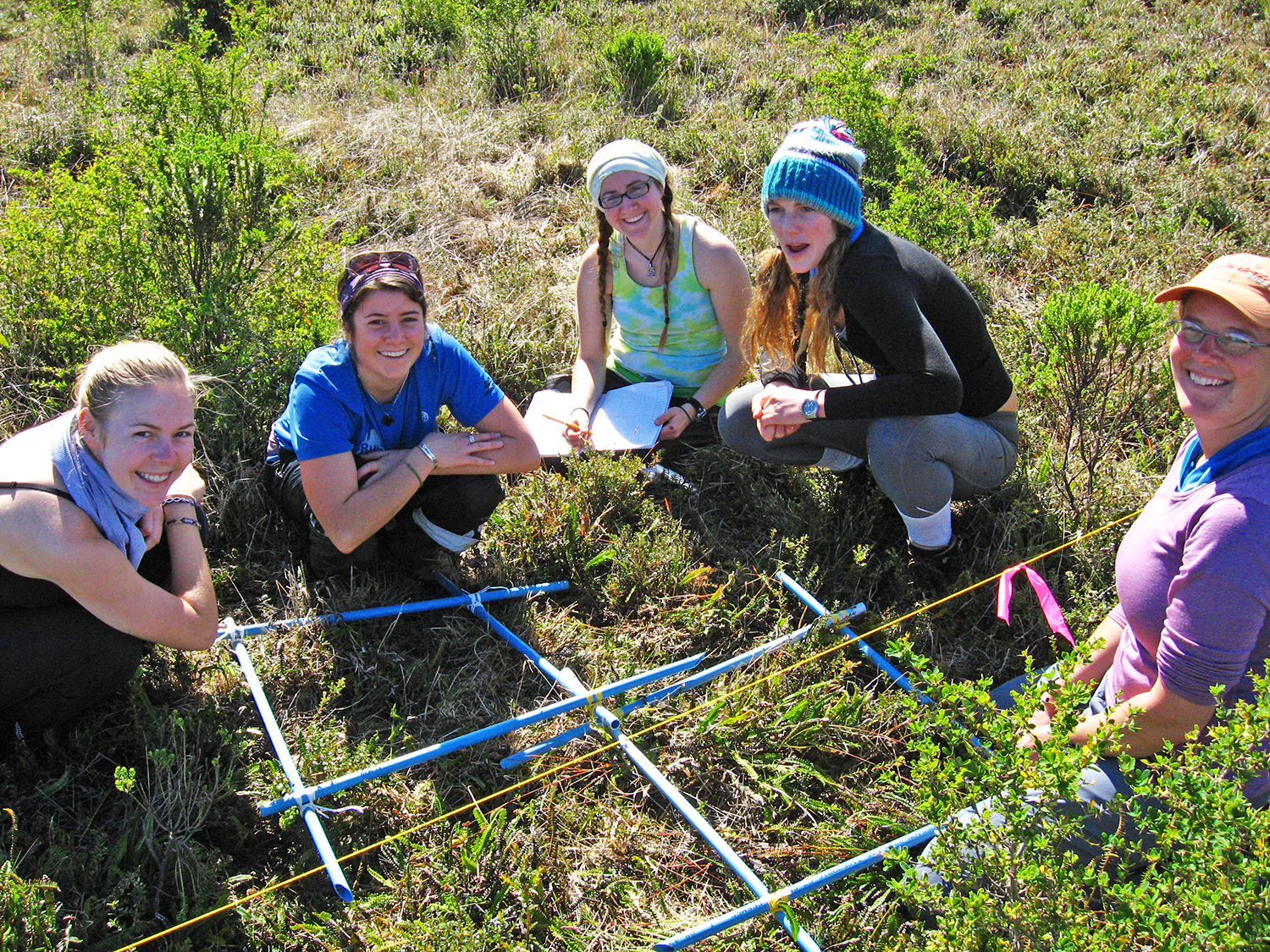
The program begins at Parque Katalapi, a private conservation park near Puerto Montt. Surrounded by temperate rainforest, we will study natural history, local flora and fauna, and take part in long-term monitoring of tree growth and marine debris. Our next field site, Parque Volcánico Valle Los Ulmos, reveals the area’s dynamic geologic past. Volcán Calbuco erupted in 2015, creating a natural laboratory to study volcanoes, ecological succession, and the influence of active volcanism on local communities.
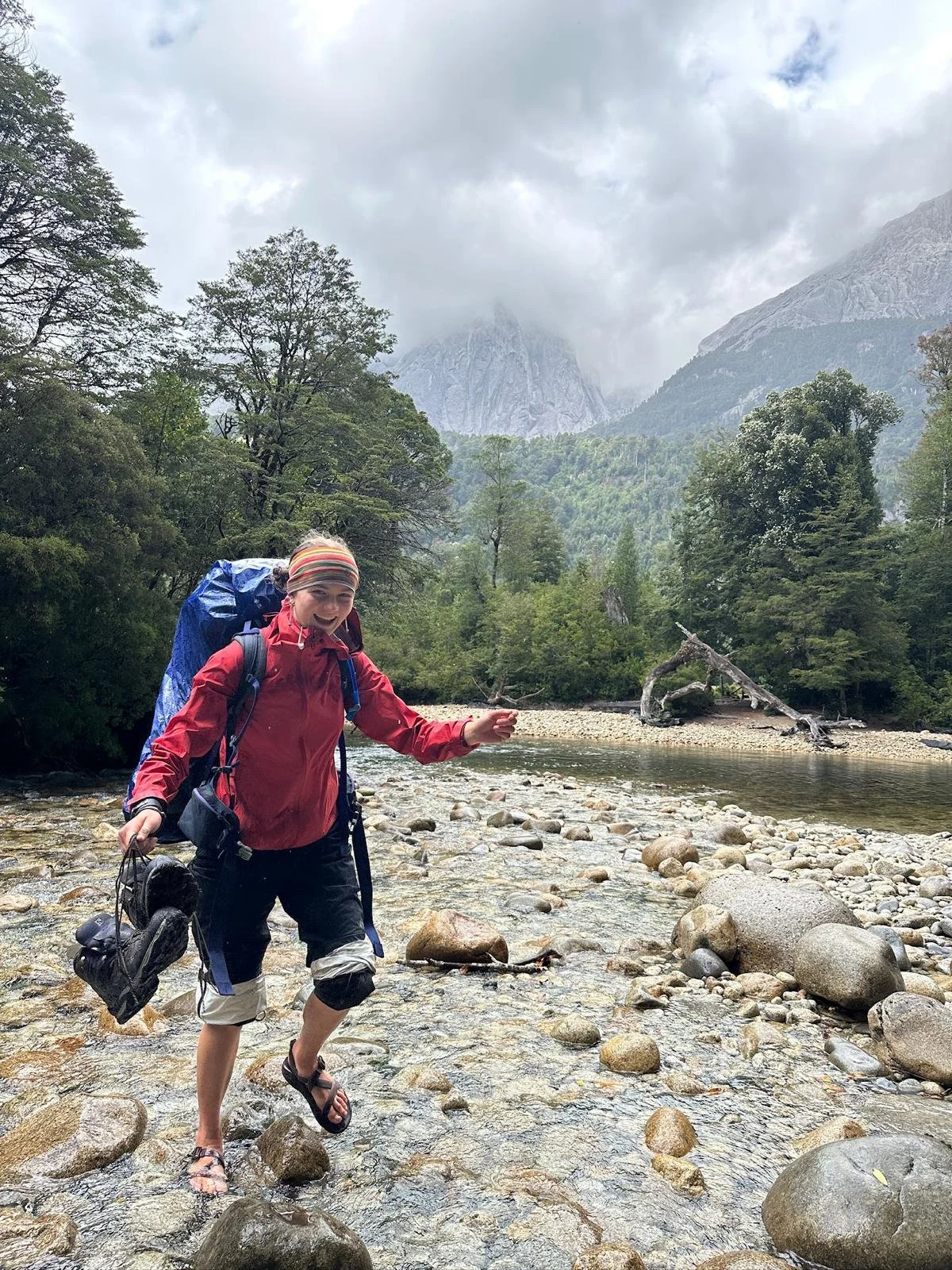
Once we’re in the Andes, several remarkable sites will serve as our classroom. Near Estuario Reloncaví, a glacially carved fjord system, we will discuss Chile’s aquaculture industry, water quality, and harmful algal blooms. Nearby, we will embark on a multi-day trek into Valle de Cochamó, following an old trade route between Chile and Argentina with the help of local guides and horses. In the valley, we will be rewarded with views of massive granite walls, pristine lakes, and ancient forests full of plants and animals rarely seen elsewhere. Time in the valley will also highlight the inspiring conservation efforts led by local communities to protect this unique corner of Patagonia.
Further south, we will stop at Volcán Yates, a newly established private conservation park, to discuss climate change and learn about rapid glacial retreat. Raíces del Viento, an active permaculture operation, is our last field site in the Andes. We will learn about sustainable practices while enjoying delicious locally grown veggies and volunteering on the farm.
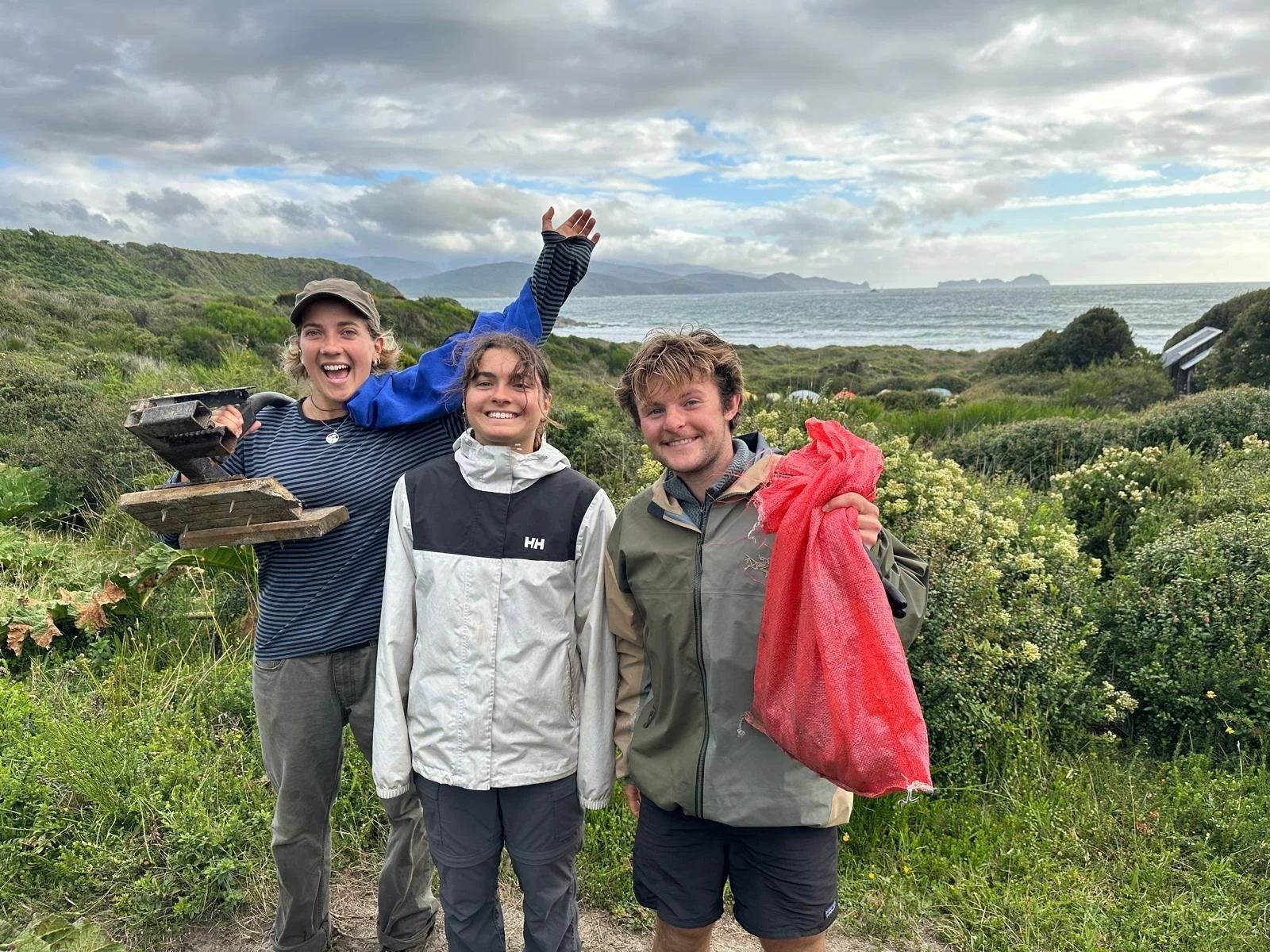
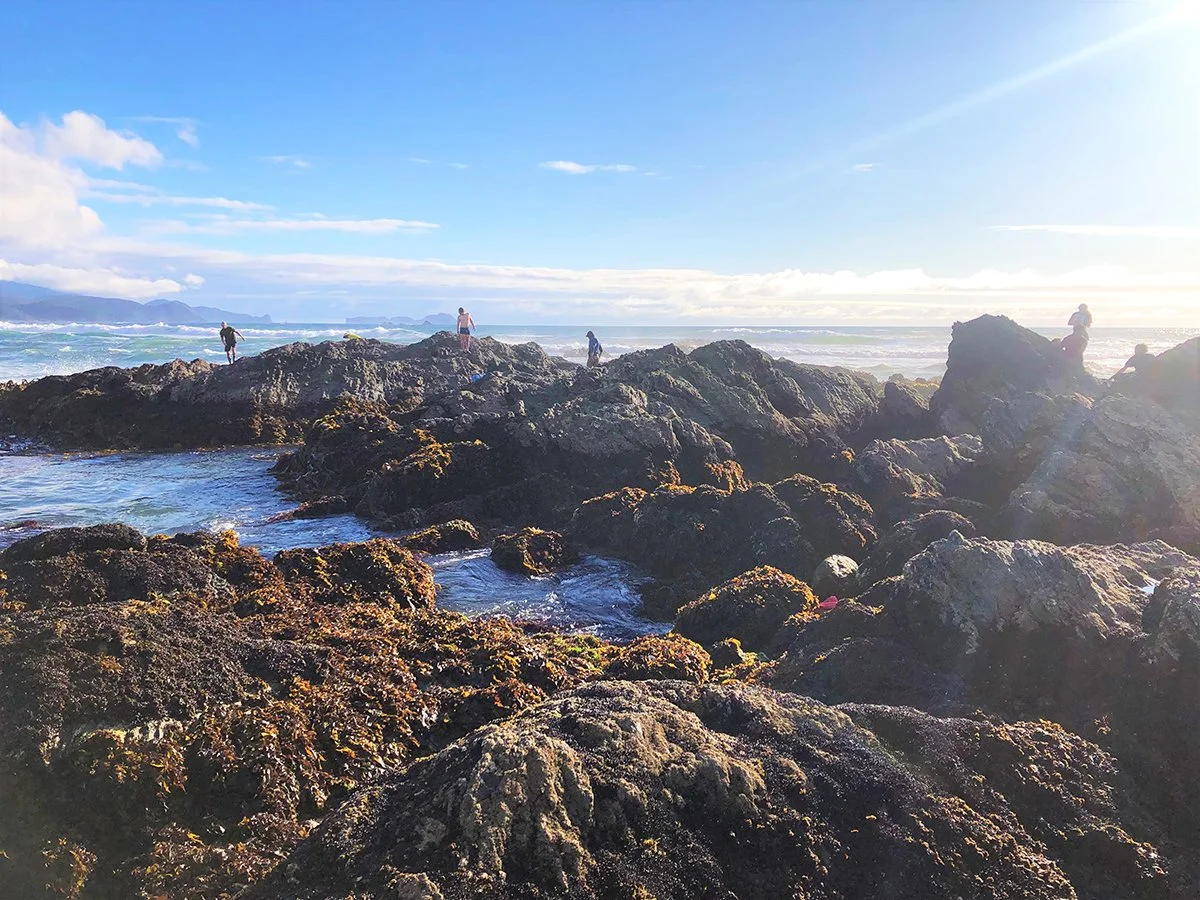
The final segment of the program takes place on Chiloé, Chile’s second largest island. We will make our way to the island by ferry and stay at a nearby field station, a site of important ongoing carbon flux research. Accessible only by boat and backpacking, Parque Ahuenco, on the Pacific Coast, is our final field site. With ocean views from our tents, we dive deeper into the ecological importance of Chile’s incredible marine environment. We will continue to learn about Chile’s land management practices and the importance of private reserves, while trying to spot marine mammals, the elusive pudu deer, and Darwin’s fox. After finishing our marine debris study and student research projects, we will return to Parque Katalapi, our first field site, to wrap up the program.
The cultural significance of the land is woven into our field study as we learn about the history of the Indigenous Mapuche people and their struggles in the wake of Spanish contact. We will also discuss the current political and social challenges of modern-day Chile. The program is designed to expose students to various conservation and land management strategies while demonstrating the diversity of landscapes in the region and how intimately connected humans are to nature.

Academic Syllabus

Student Program Manual
Stories From the Field

Bella Ivory
Chile 2024 Alumni
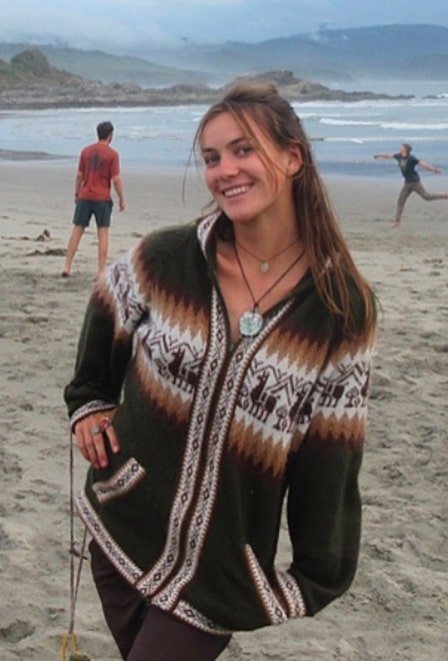
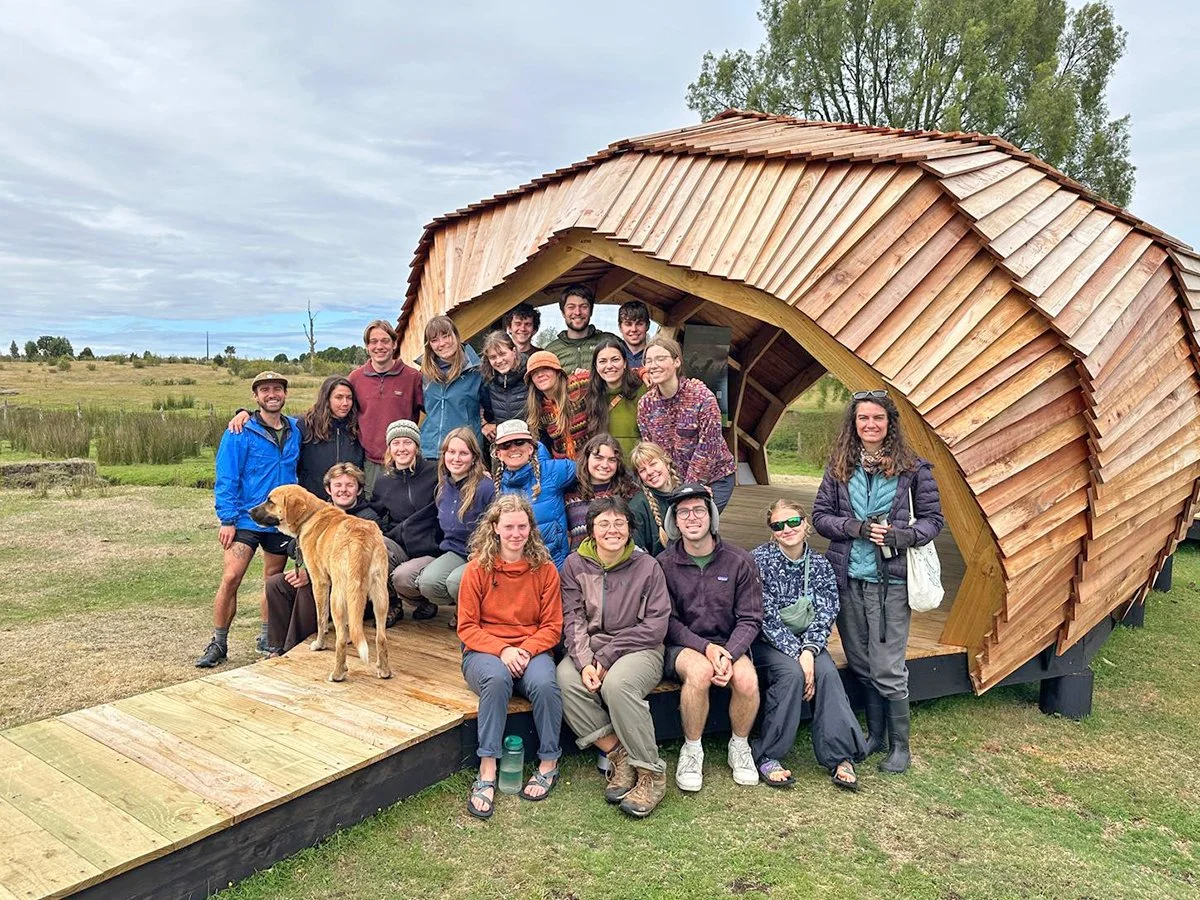
“The six weeks I spent in the Patagonia region of Chile on the Wildlands 2024 program were truly the best of my life, filled with learning, personal growth, and lots of friendships. We explored the diverse landscapes of Chile, from active volcanoes and fjord systems to rugged coastlines and diverse forests types. Among the many unforgettable experiences, trekking through the Coachamo Valley—surrounded by towering granite walls—was where I felt the most personal transformation, both mentally and physically, as we hiked through the challenging terrain for 12 days.
As a highlight, we ended our trek on a permaculture farm, where we learned about and took part it sustainable agriculture, a truly eye opening experience that became one of my favorite parts of the journey and shifted the way I think about food consumption.
Our adventure then took us to the shores of Chiloe Island, where we immersed ourselves in conservation efforts and the rich indigenous traditions of the Mapuche people. We had the unique opportunity to learn about local culture, cooking and sharing meals rooted in Chilean tradition. By the end of the trip, I had not only formed lifelong friendships, but also improved my Spanish, gained a deeper understanding of Patagonia’s physical and cultural landscape, and created memories that I will carry with me forever.”
View fullsize
![]()
Watch the Chile Video



Amy Concilio
lead instructorPHD in Environmental Studies, UC Santa Cruz, 2012
Amy is a plant ecologist whose research examines land management, conservation, and restoration approaches in the context of climate change. She has over two decades of experience conducting fieldwork in grassland, shrubland and forested ecosystems of the western US, China, Costa Rica, and Mexico. Much of her recent work focuses on the role of natural systems in helping address the climate crisis through both adaptation and mitigation. Amy is currently based in Austin, TX, where she teaches interdisciplinary environmental science courses at St. Edward’s University, leads a climate-resiliency lab, and helps steward a campus food forest. She co-taught our Yellowstone program in 2018 and currently leads our Chile program.