Iceland
Arctic Ecosystems, Climate Change and Carbon Cycles
Program Details
Location: Reykjavik, Iceland
Dates: Summer 2027: June 23—August 5, 2027
Applications: Accepted on a rolling admission basis
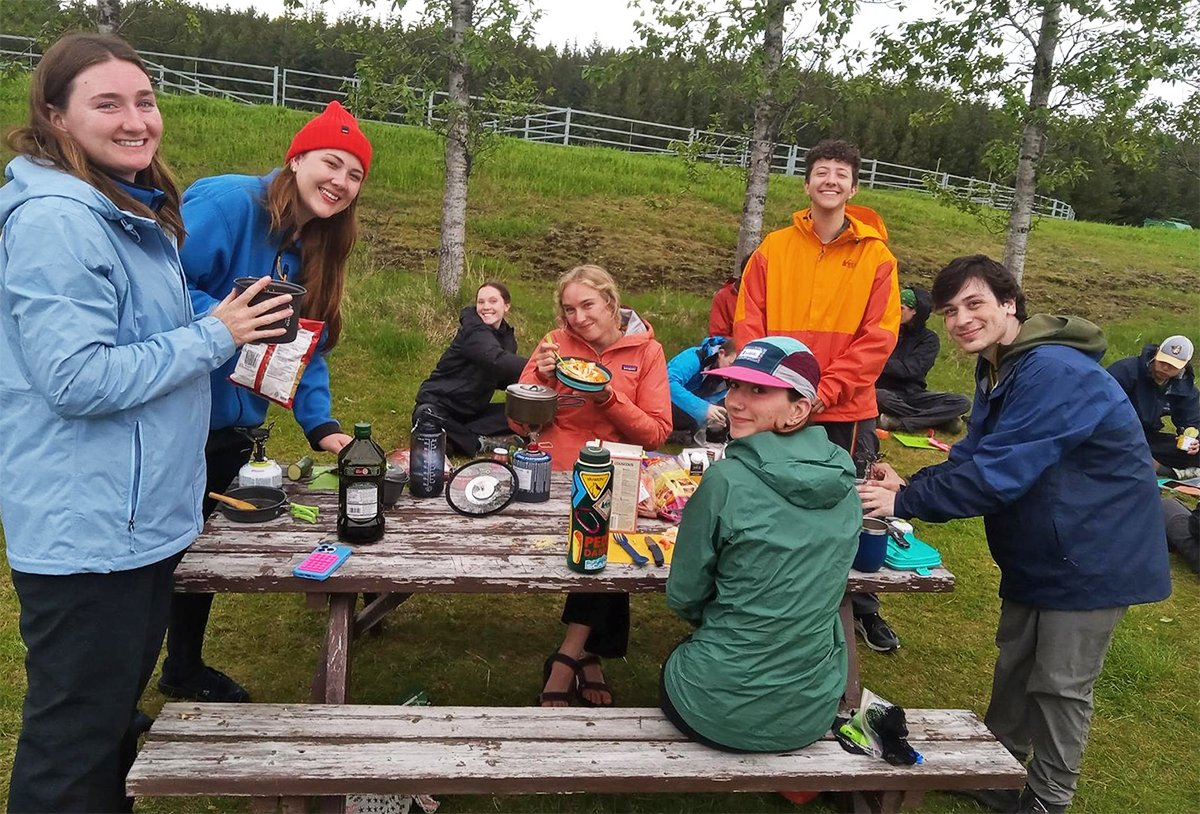
Accommodations: Primarily camping, occasional youth hostel or rural lodge
Credits: 15 quarter credits or 10 semester credits
Language: English instruction
Courses: Environmental Wildlands Studies, Environmental Field Survey, Wildlands Environment and Culture
Prerequisites: One college course in environmental studies, environmental science, ecology or similar. 18 years of age.
Minimum 2.5 GPA
Program Costs
Iceland Summer 2027
$ 150 Application Fee
$ 8,600 Program Fee
$ 5,200 In-Country Logistics Fee
$ 1,500 Estimated Airfare and Mandatory Travel Insurance
$ 1,400 Estimated Food and Personal Expenses
$16,850 Total Estimated Cost
Summer 2027: Program fees due by May 1, 2027

The Program
Iceland, an island with approximately 400,000 people, is positioned at the edge of the Arctic Circle and sits directly atop two distinct geological features—the Mid-Atlantic Ridge and the Iceland Hotspot. This unique position results in a landscape shaped by a subarctic climate and active geology. A tenth of the island is covered in glaciers, multiple volcanic eruptions occur each century, tundra stretches across the north, and summer brings over twenty hours of daylight!
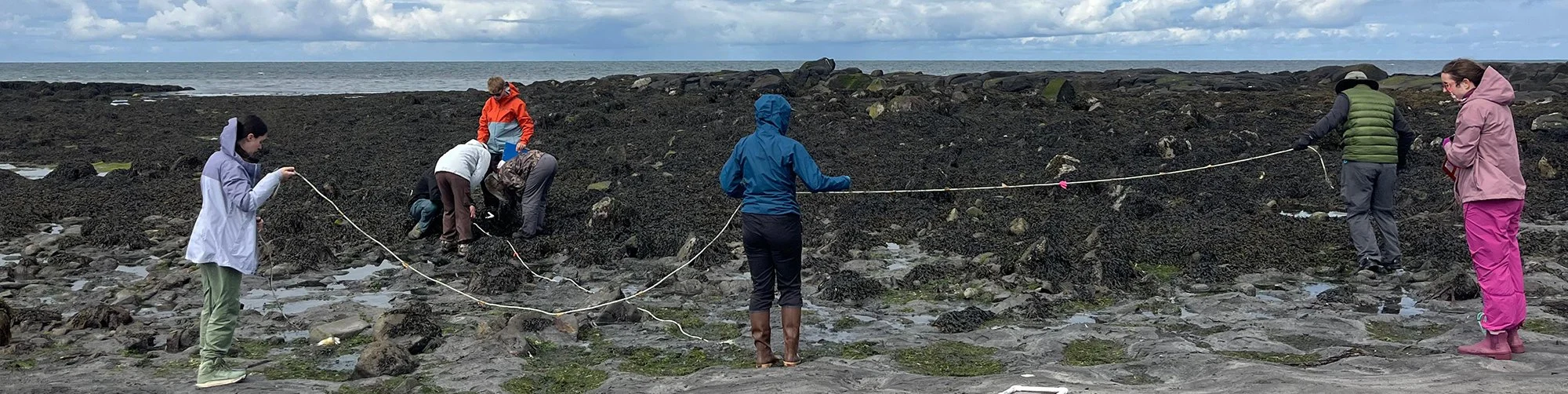
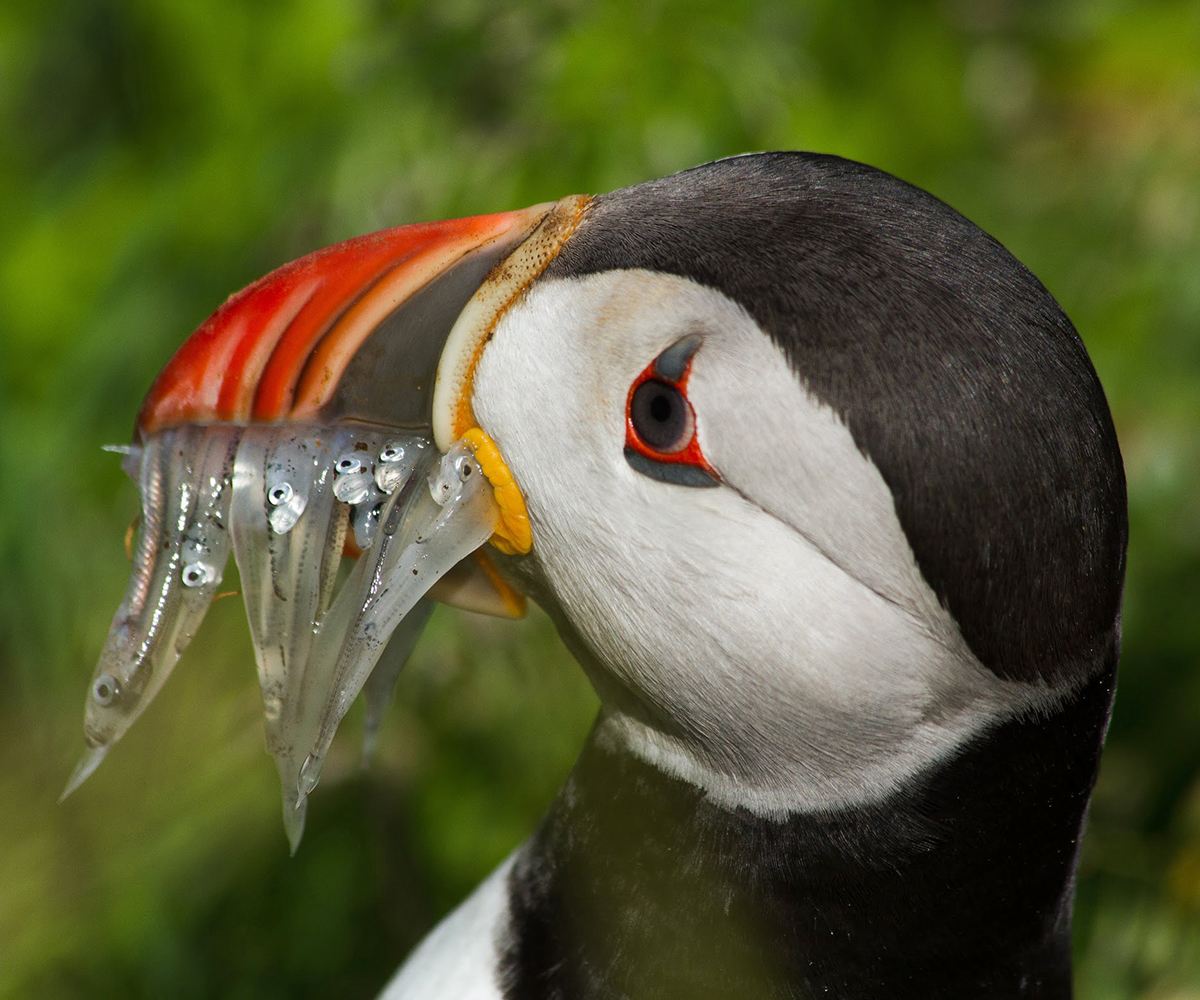
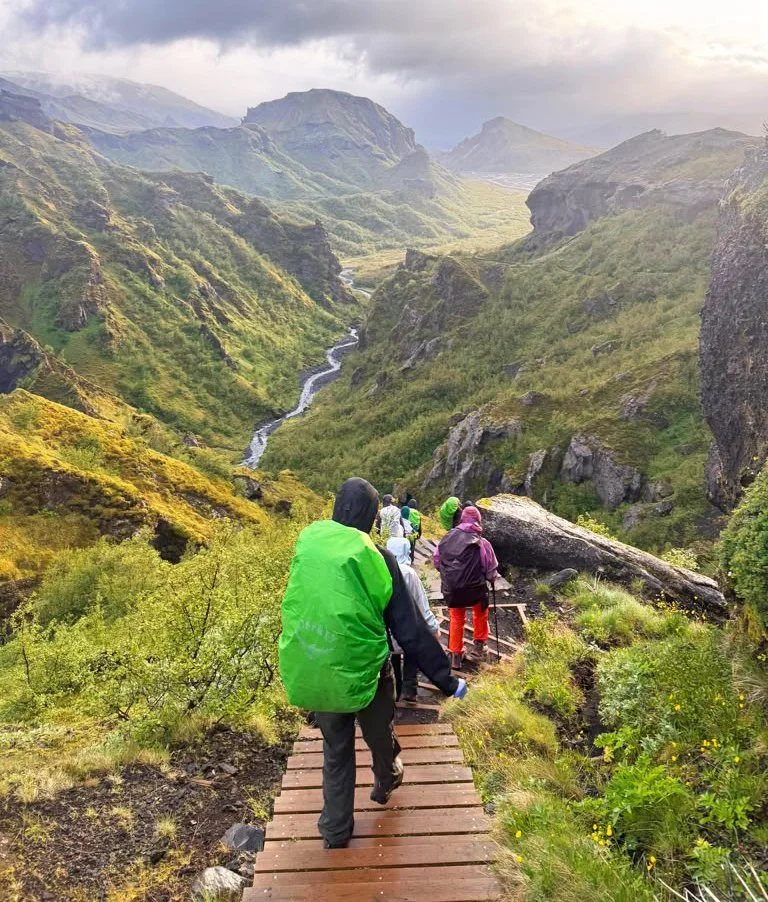
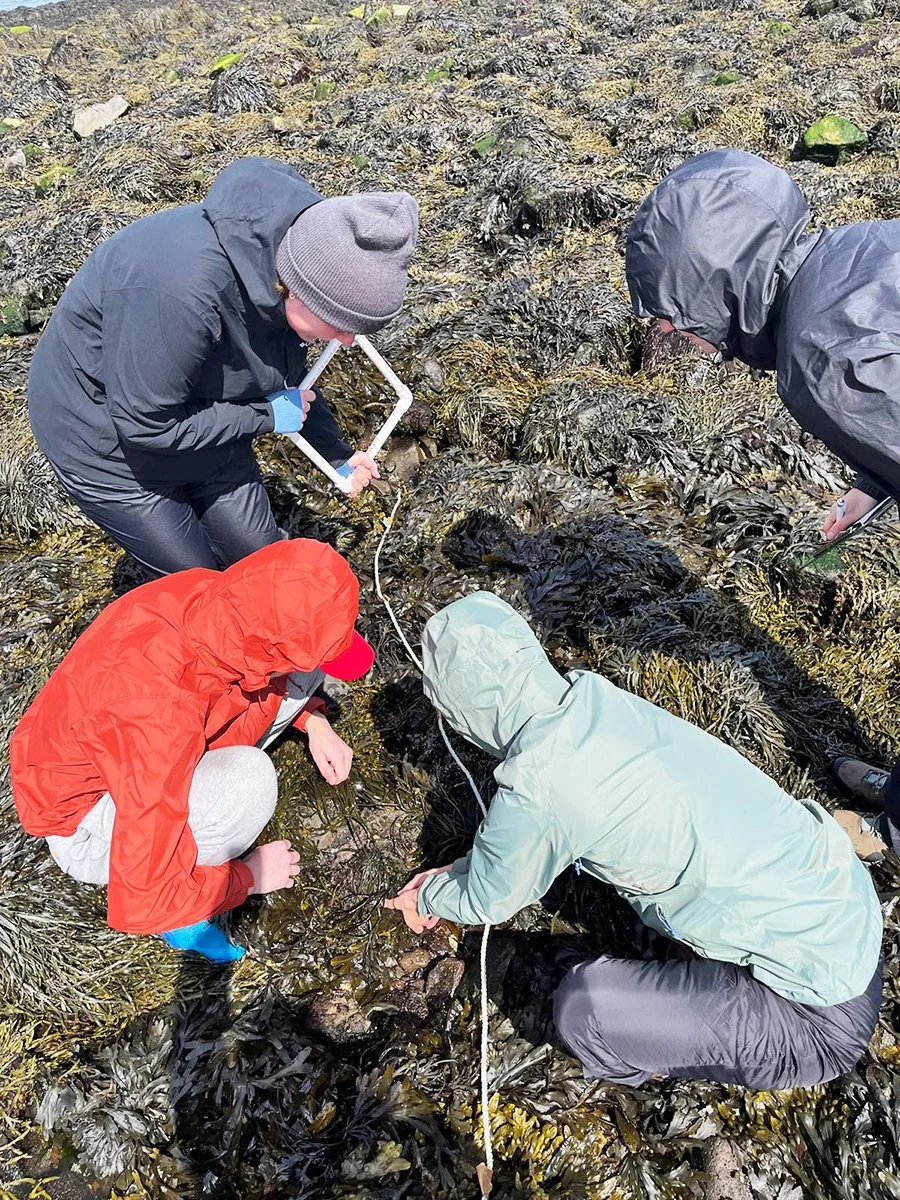
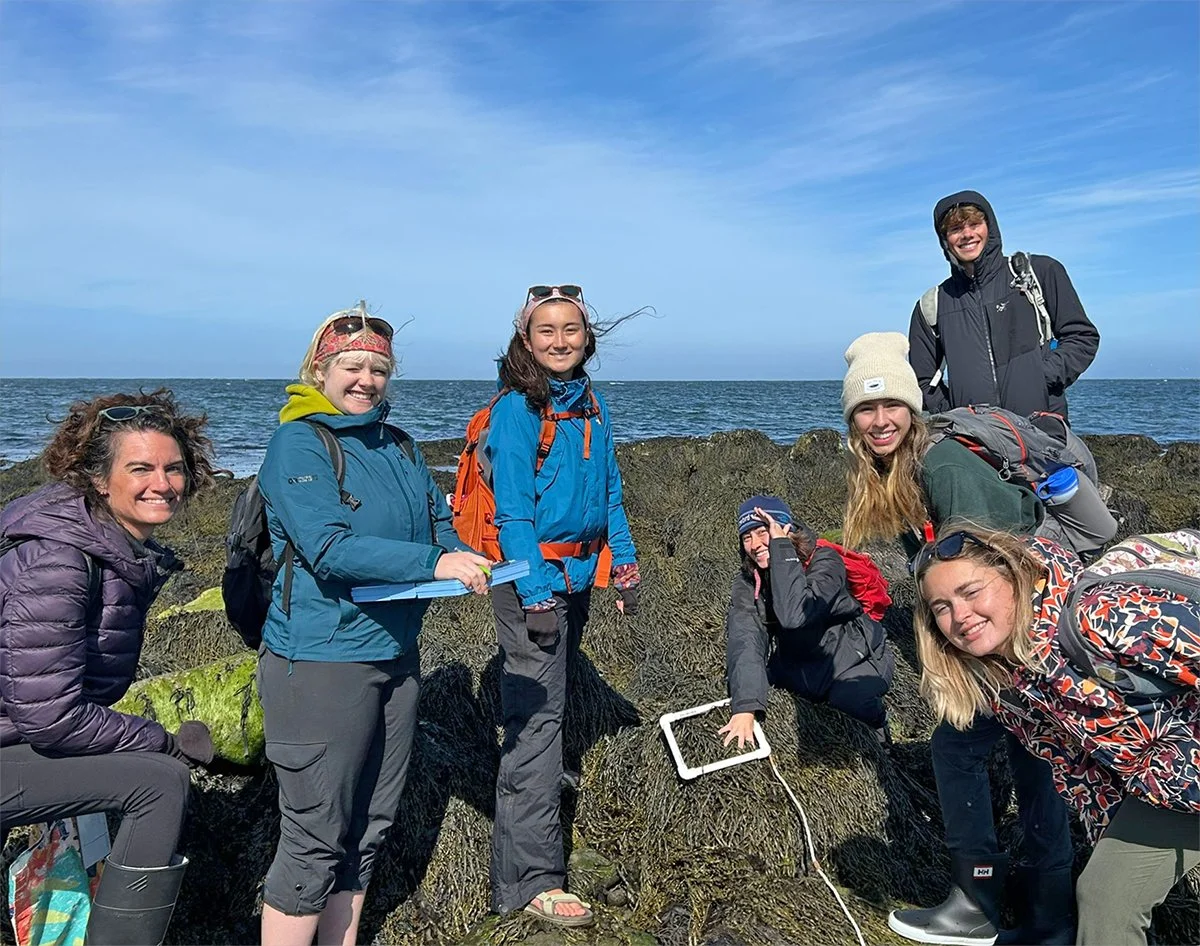
With Iceland’s remarkable environment as our classroom, students will circle the island to study Arctic ecosystems, climate change, and carbon cycles. Although our program field sites may vary between years, program highlights include: embarking on challenging hikes, such as the Fimmvörðuháls trek, where students are surrounded by waterfalls, snowfields, and striking valleys; spending time at field stations, including the Suðurnes Science and Learning Centre and Skálanes Nature and Heritage Centre, where critical research is being done to understand a rapidly changing Arctic; learning about glacier dynamics with the Vatnajökull Ice Cap as our backdrop; contributing to long-term monitoring while participating in Iceland’s Great Seal Count and completing the marine debris project; studying volcanoes and plate tectonics, while hiking along recent lava flows and sitting between the North American and Eurasian plates at the Reykjanes UNESCO Geopark; growing in our naturalist skills while observing puffins and searching for whales and Arctic foxes; analyzing Iceland’s renewable energy sector while visiting active geothermal sites and the Kárahnjúkar dam; and immersing ourselves in a culture, rich with history and mythology, that has overcome countless challenges to survive in this incredible environment.
By the end of the program, students will understand how high-latitude ecosystems help regulate the planet’s climate, why they are so sensitive to change, and how Icelandic society is navigating loss of glaciers, historical deforestation, tourism, political relations with other Arctic Nations, and rapid development of renewable energy. Students will leave with practical field skills, including an understanding of the research process, methods for keeping a field journal, how to analyze scientific literature, and a set of field research skills that may be transferable toward their future careers.

Academic Syllabus

Student Program Manual

Stories From the Field

Jane Port
ICELAND 2023 Alumni
“The six weeks that I spent on the island of Iceland were truly some of the most incredible, formative, and beautiful moments of my life. We followed the famous Ring Road, circumnavigating the island and exploring glaciers, experiencing exploding volcanoes, swimming under remote waterfalls, and watching never ending sunsets. My favorite experience was hiking the Fimmvörðuháls trail from Skogár to Thórsmörk, where we stayed at a remote hut between two glaciers and then hiked down to the Thórsmörk Valley, surrounded by towering peaks and giant glaciers. It was there that I saw the best sunset of my life and solidified bonds with other students that still hold up today.
We also visited both hydroelectric dams and geothermal energy facilities to learn about and understand how these renewable energy sources work. It was really cool to see how one of the world’s leaders in sustainable energy goes about utilizing it, and seeing the impacts that it can have on the land and people that use it.
Staying for six weeks in Iceland really allowed us to immerse in the culture of the country. Whether it was learning about how bread can be baked in the ground or choosing our own unique sweaters knit by Icelandic grandmas or exploring downtown Reykjavik, there was so much to experience and learn about. Wildlands truly allowed us to immerse ourselves in a different country, culture, and way of life that wouldn’t be possible in another program or way of travel.”
View fullsize
![]()

Watch the Iceland Video






Jenna Spackeen
lead instructorPhD in Marine Science, Virginia Institute of marine science, 2017
Jenna is an oceanographer who is interested in nutrient cycles and the impacts of global change. Her research has taken her all over the world. She has spent a considerable amount of time aboard research vessels in the Arctic and at field stations in Antarctica, investigating how climate change affects phytoplankton communities and the cycling of nutrients in the ocean. Her research has also taken her to Mexico, where she studied food web interactions in estuary systems. Jenna is passionate about science outreach and experiential education. She believes that personal awareness, environmental appreciation, and a desire to make the world a better place can be fostered when one is immersed in nature. Jenna leads our Iceland , Australia and Chile programs.