New Zealand
Island Ecosystems, Dramatic Landscapes and Endemic Species
Program Details
Location: Auckland, New Zealand
Dates: Fall 2026: September 30—November 12, 2026
Spring 2027: April 7—May 20, 2027
Fall 2027: September 29 - November 11, 2027
Spring 2028: April 5—May 18, 2028
Applications: Accepted on a rolling admission basis
Accommodations: Primarily camping, occasional youth hostel or rural lodge
Credits: 15 quarter credits or 10 semester credits
Language: English instruction
Courses: Environmental Wildlands Studies, Environmental Field Survey, Wildlands Environment and Culture
Prerequisites: One college course in environmental studies, environmental science, ecology or similar. 18 years of age.
Minimum 2.5 GPA
Program Costs
New Zealand Fall 2026 and Spring 2027
$ 150 Application Fee
$ 7,750 Program Fee
$ 4,650 In-Country Logistics Fee
$ 2,100 Estimated Airfare and Mandatory Travel Insurance
$ 1,500 Estimated Food and Personal Spending
$16,150 Total Estimated Cost
Fall 2026: Program fees due by August 1, 2026
Spring 2027: Program fees due by February 1, 2027
New Zealand Fall 2027 and Spring 2028
$ 150 Application Fee
$ 8,600 Program Fee
$ 4,700 In-Country Logistics Fee
$ 2,100 Estimated Airfare and Mandatory Travel Insurance
$ 1,500 Estimated Food and Personal Spending
$17,050 Total Estimated Cost
Fall 2027: Program fees due by August 1, 2027
Spring 2028: Program fees due by February 1, 2028

The Program
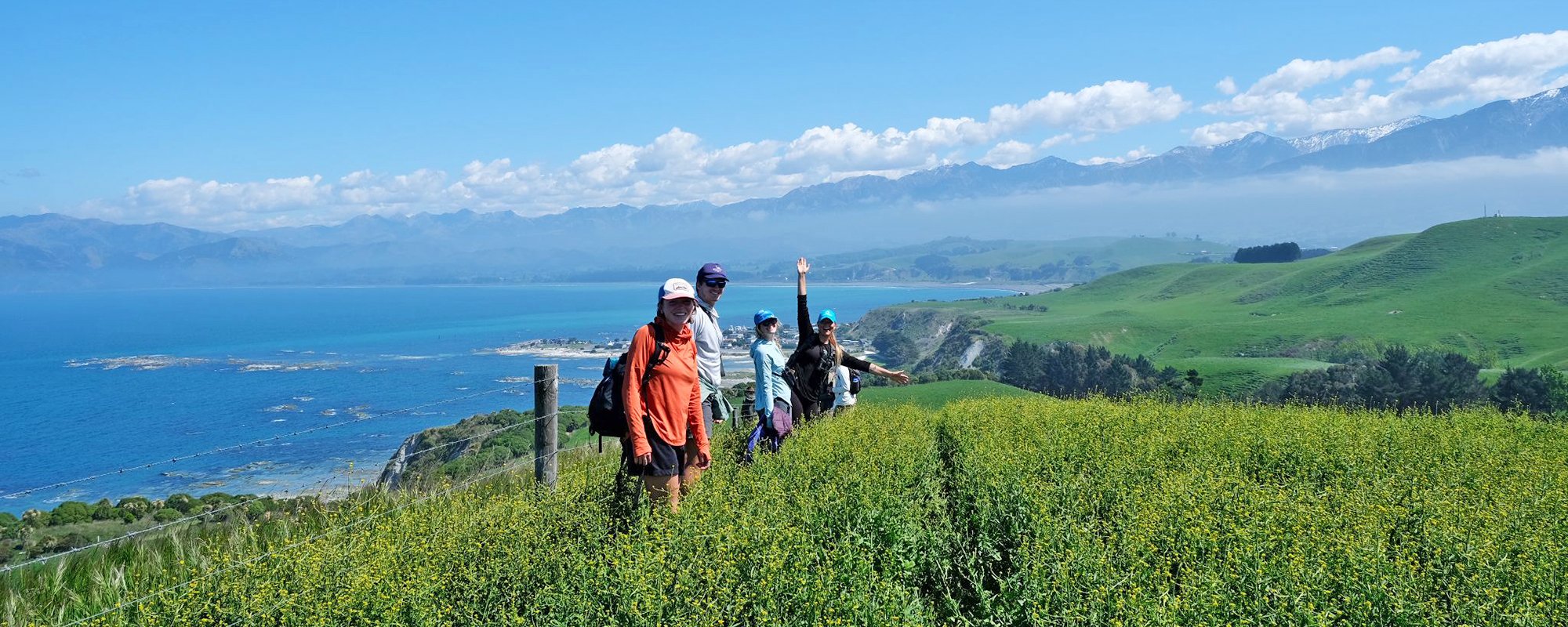
New Zealand features stunning terrain that has been sculpted by tectonic forces and glacial activity. Stretching from subtropical coastlines to the alpine heights of the Southern Alps, habitat diversity and geographic isolation allowed for the evolution of unique flora and fauna found nowhere else on Earth. On these islands, a kauri tree can be thousands of years old, the flightless kiwi forages at night, and the wētā, a giant cricket-like insect, seeks refuge in tree holes. New Zealand’s wildness is deeply intertwined with a rich cultural heritage, rooted in the traditions of the Māori people as well as present-day conservation initiatives.
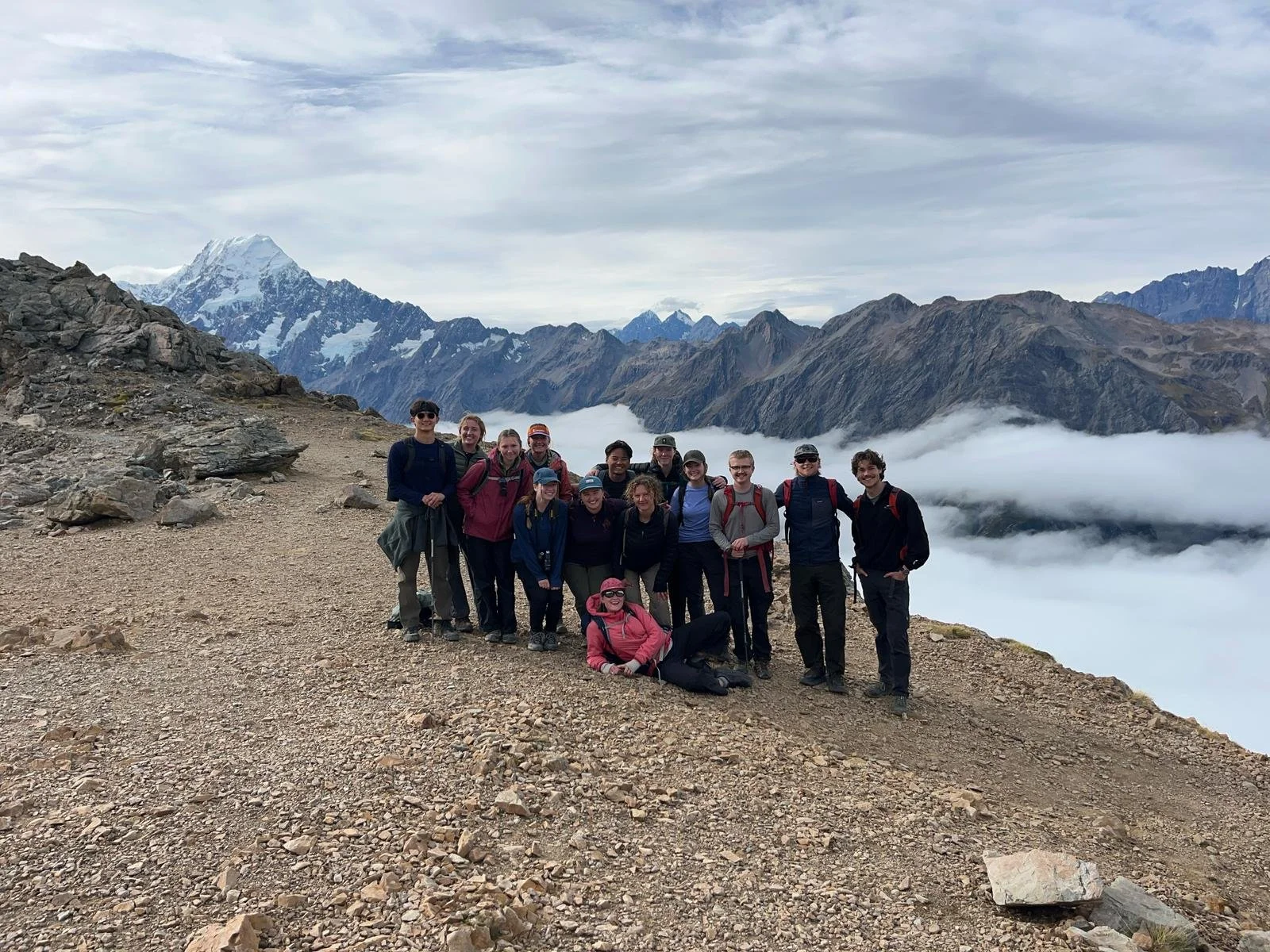
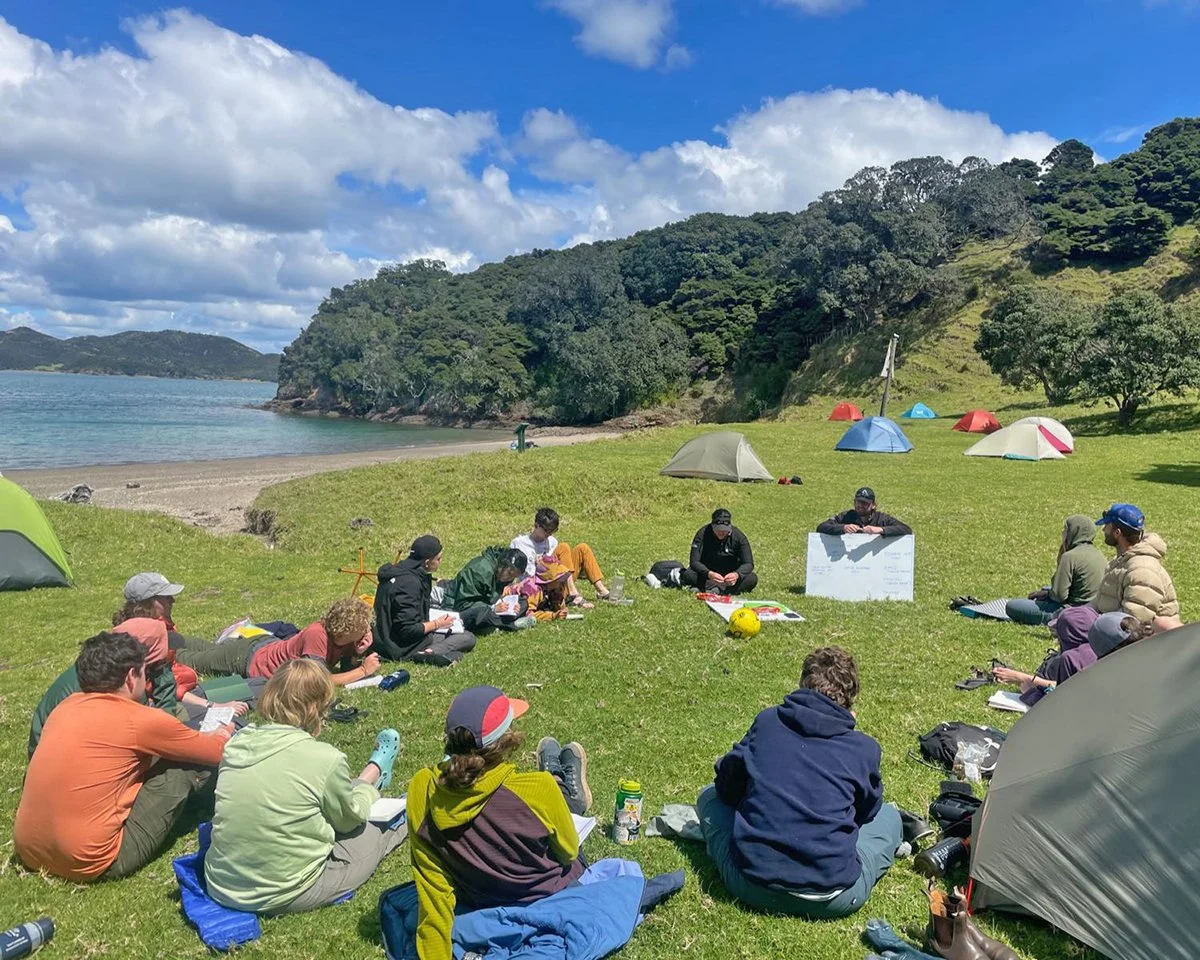
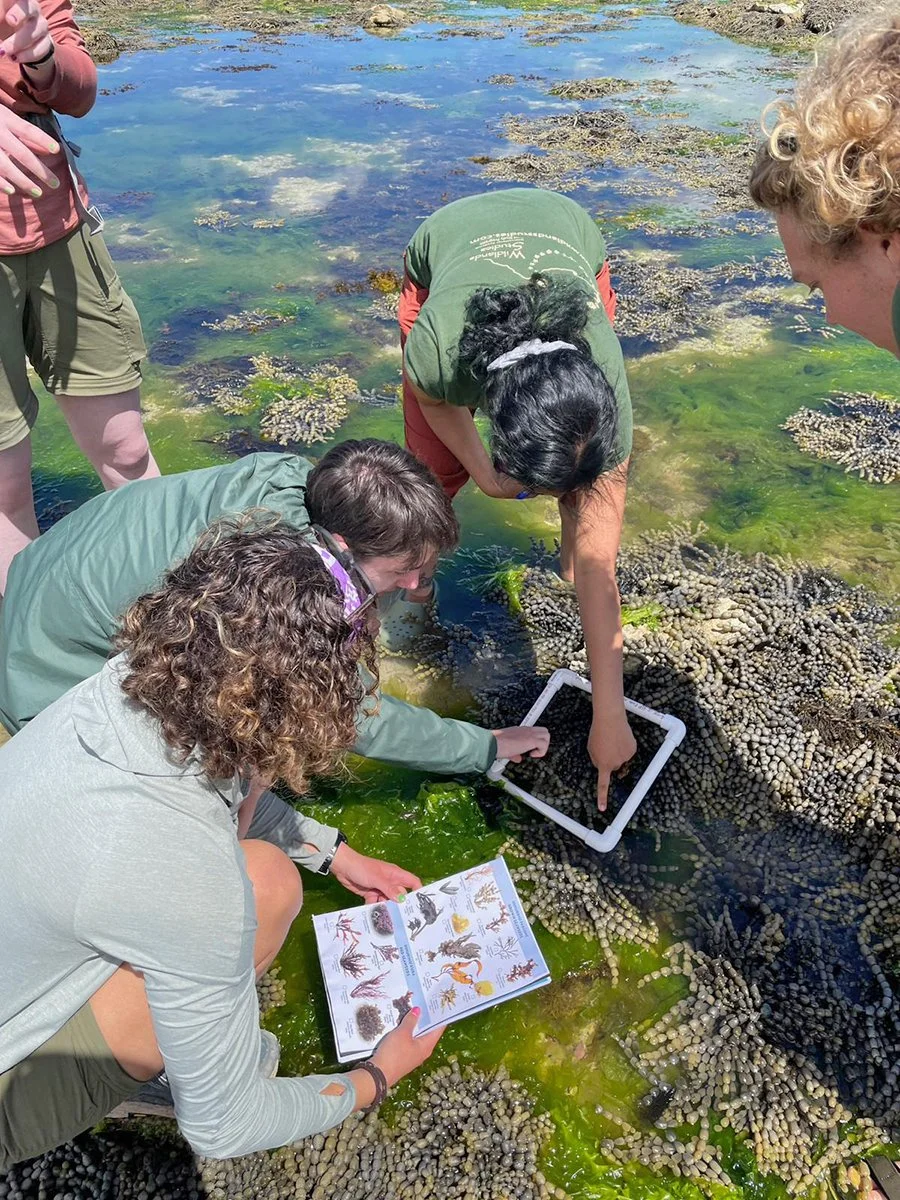
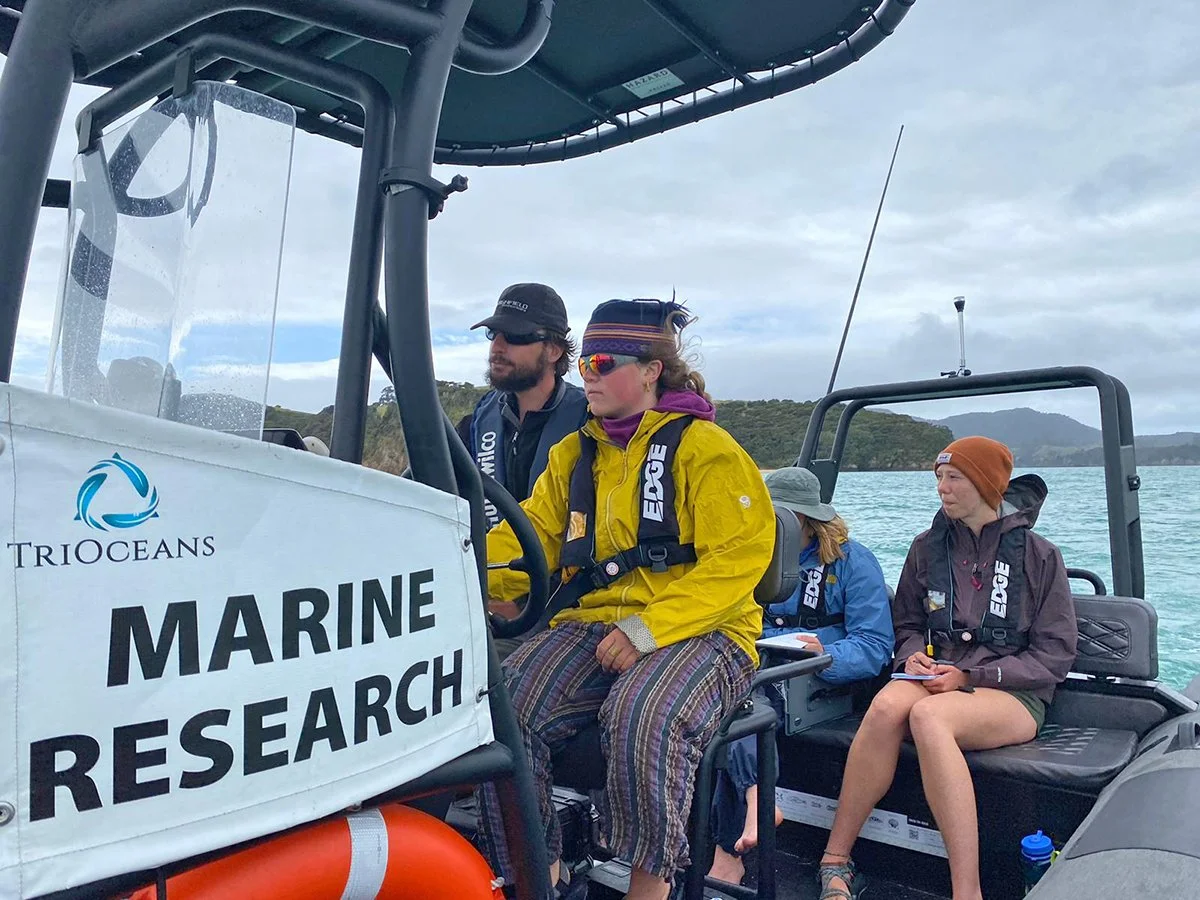
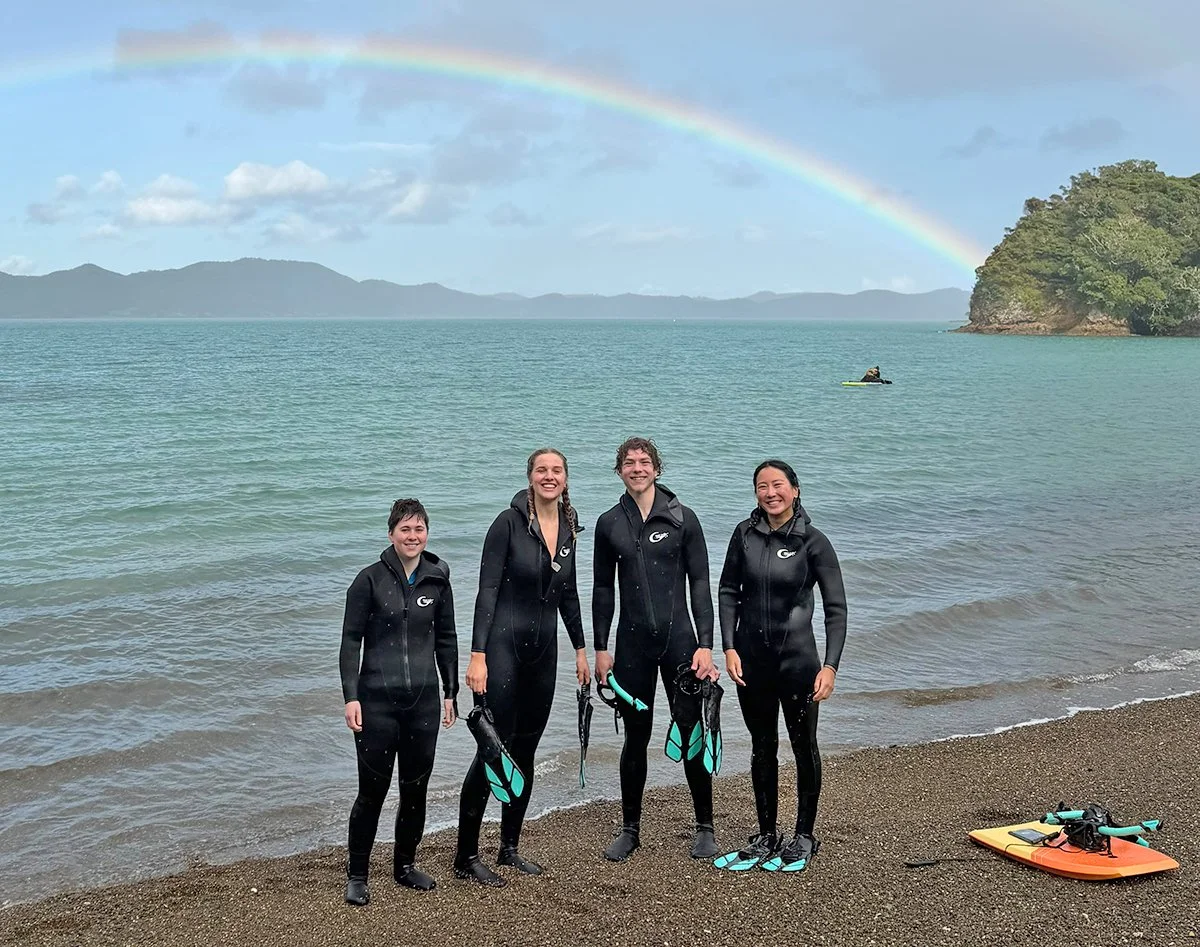
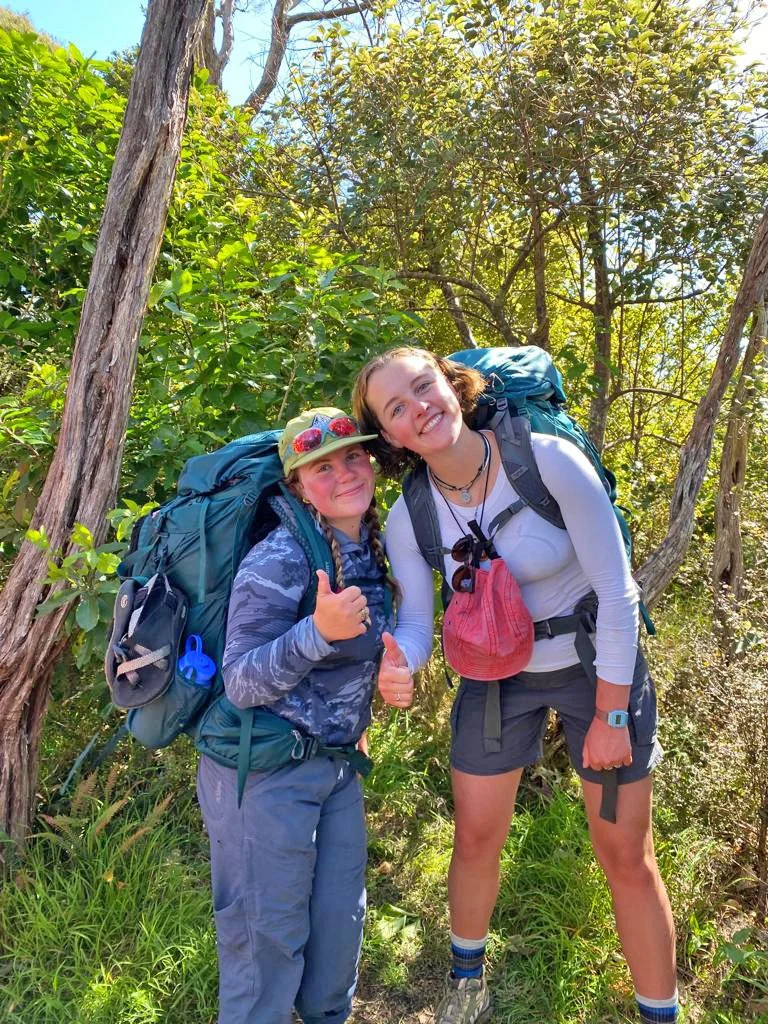
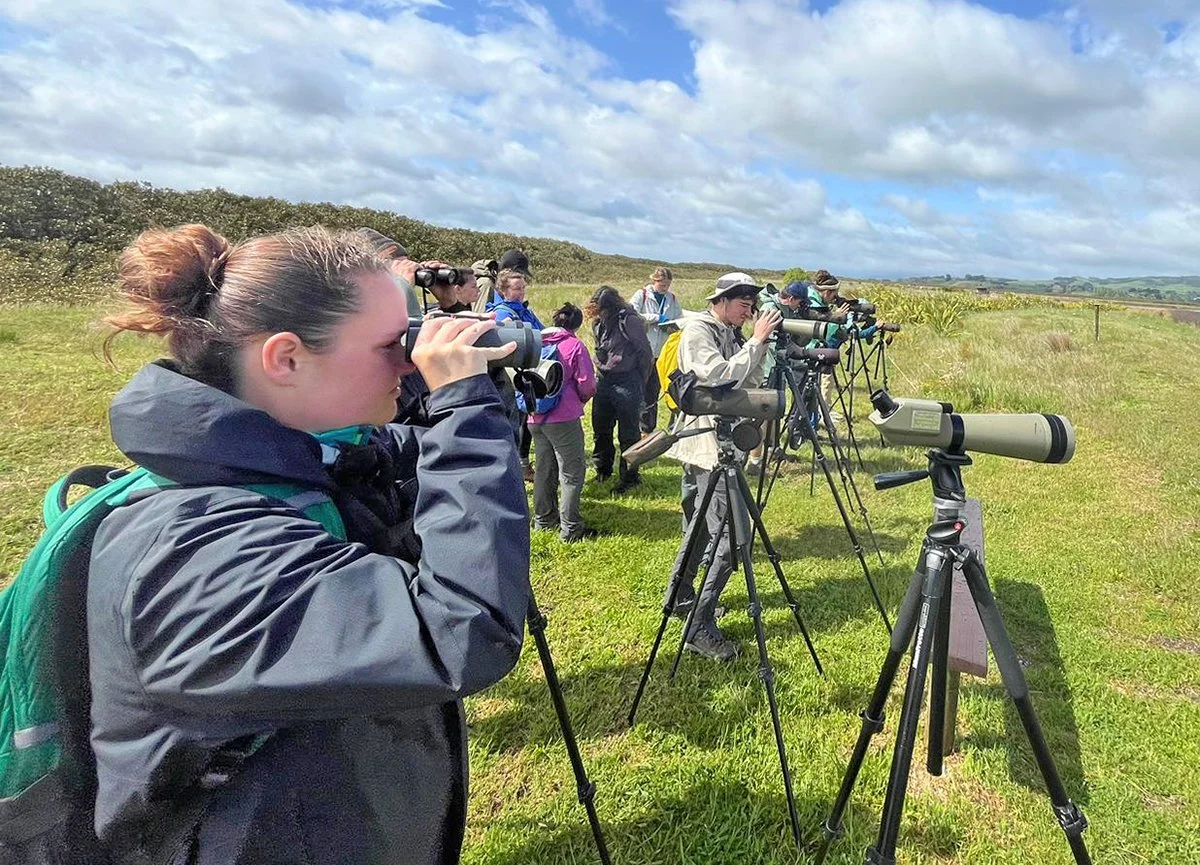
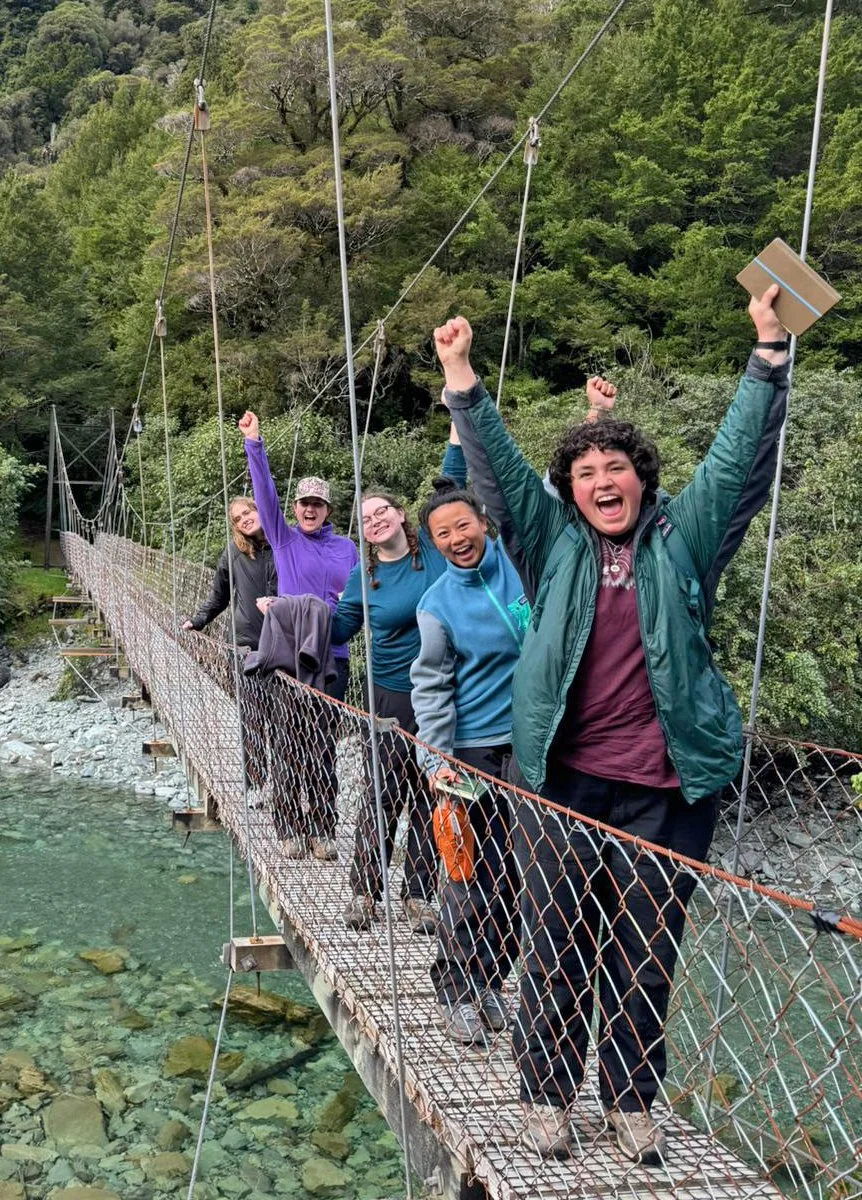
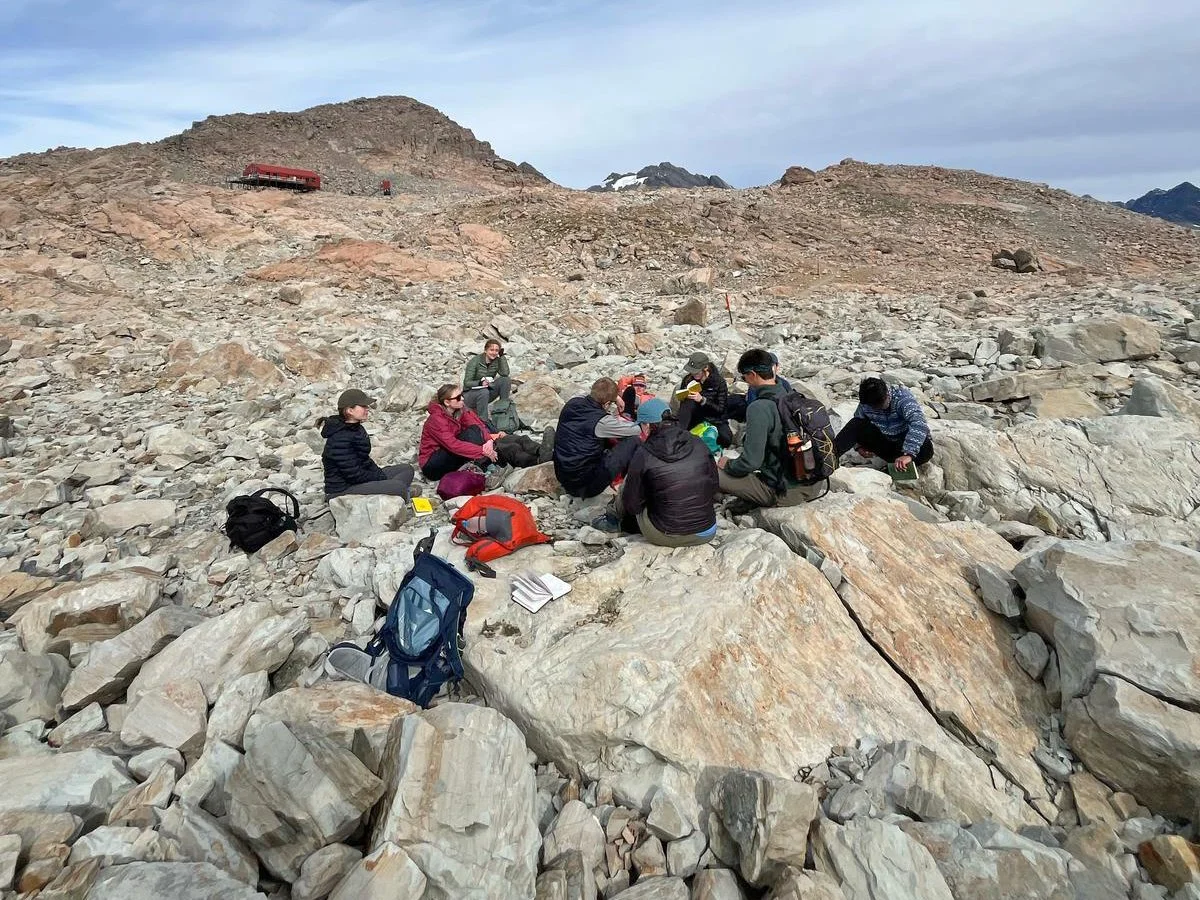
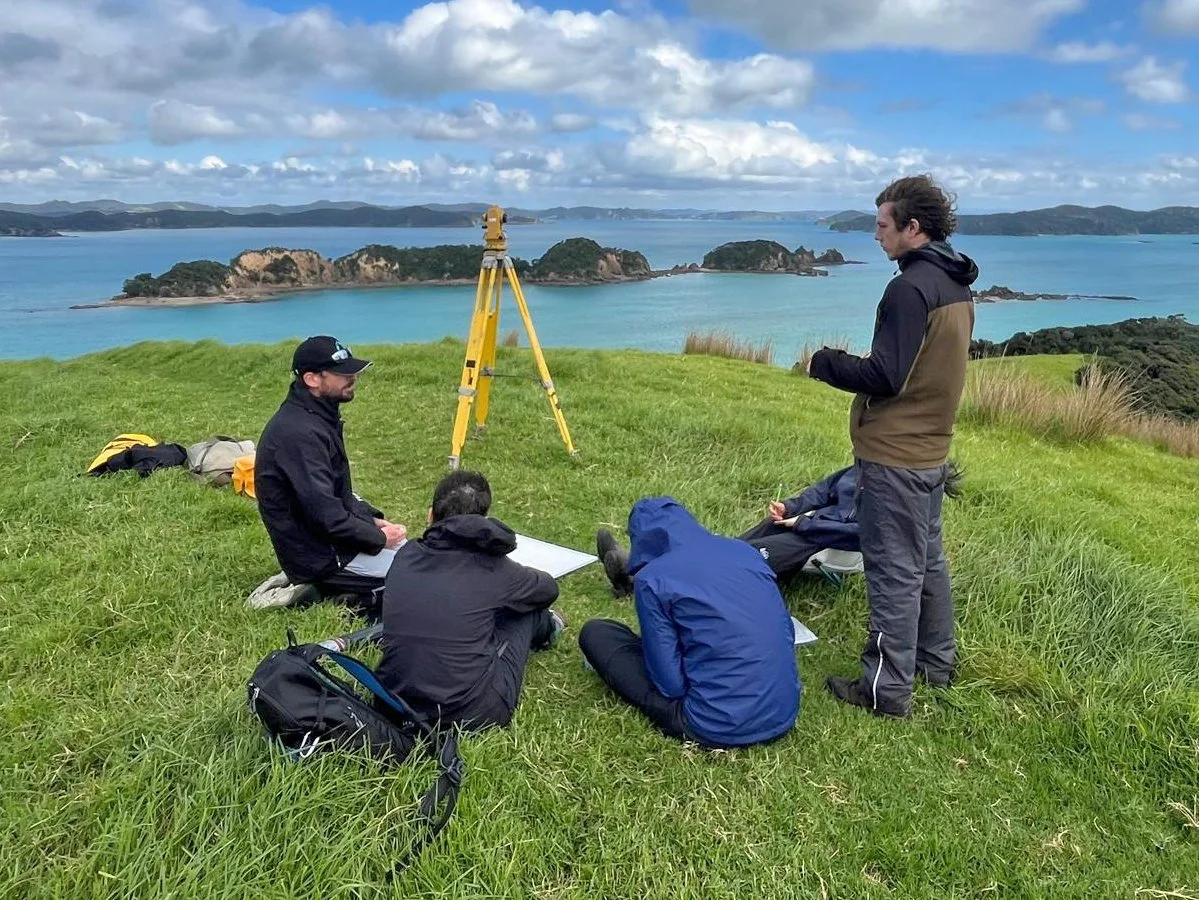
Students on the New Zealand program will journey across the North and South Islands, visiting terrestrial, coastal, and marine ecosystems to gain a comprehensive understanding of the factors that shaped these islands and why species here are so vulnerable. Although our field sites may vary, students can expect to camp and hike in some of New Zealand’s most iconic landscapes as they study island biogeography, conservation biology, and complex human-environment interactions. Program highlights include multi-night backpacking treks to places such as Cape Brett and Mount Aspiring, surrounded by ocean views and glacier-capped mountain peaks; navigating the dramatic fiords and temperate rainforests of Fiordland National Park, while trying to spot crested penguins in Milford Sound and searching for the inquisitive and highly endangered kea parrot; conducting snorkel surveys in the Bay of Islands, where students interact with TriOceans, a marine research and conservation organization; assisting with shorebird monitoring at the Pūkorokoro Shorebird Centre, where thousands of shorebirds swirl in flocks over expansive tidal flats, including species that have migrated from the Arctic; learning about Māori stewardship and cultural history through direct engagement; practicing bushcraft skills at Ōtaki Gorge and visiting a regenerative farm in the Otago Lakes region; and examining how invasive species management, tourism, and climate change are shaping the future of New Zealand’s biodiversity.
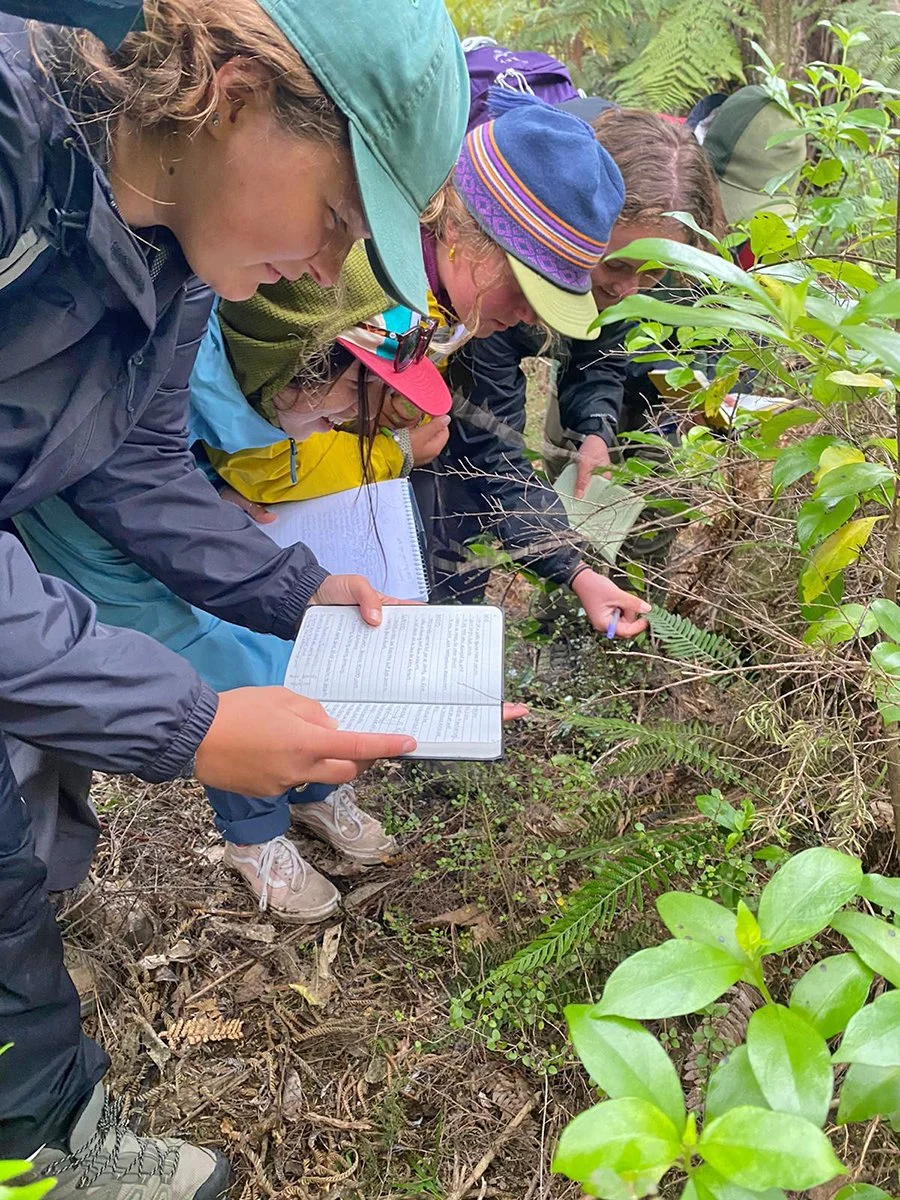
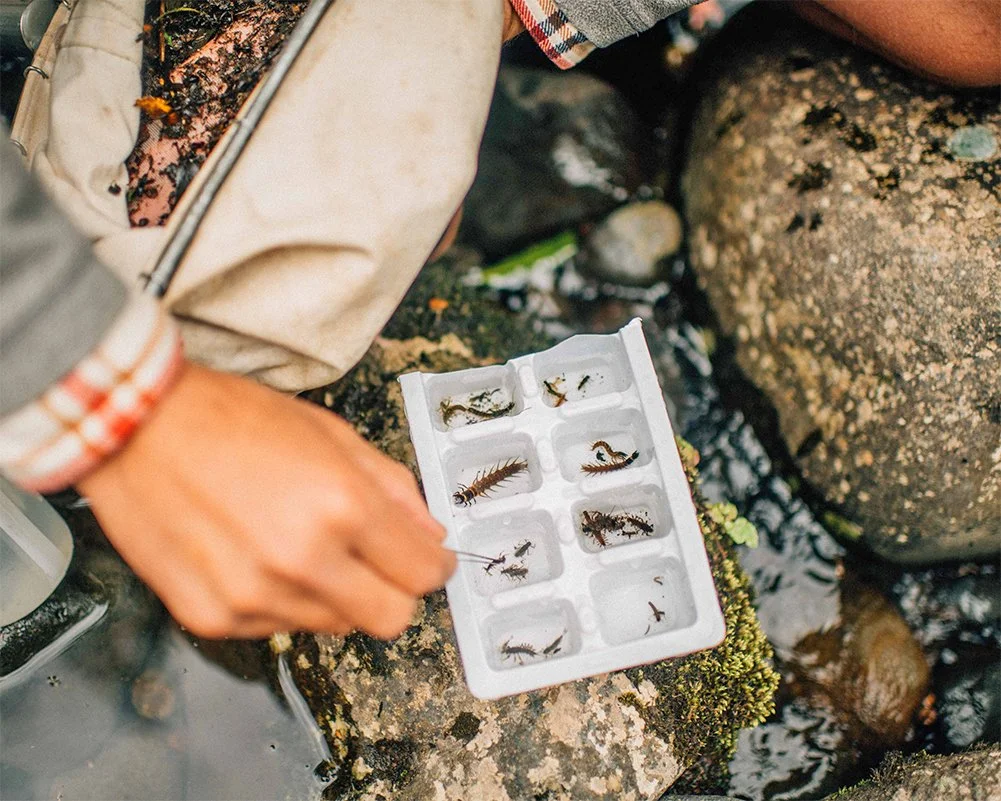
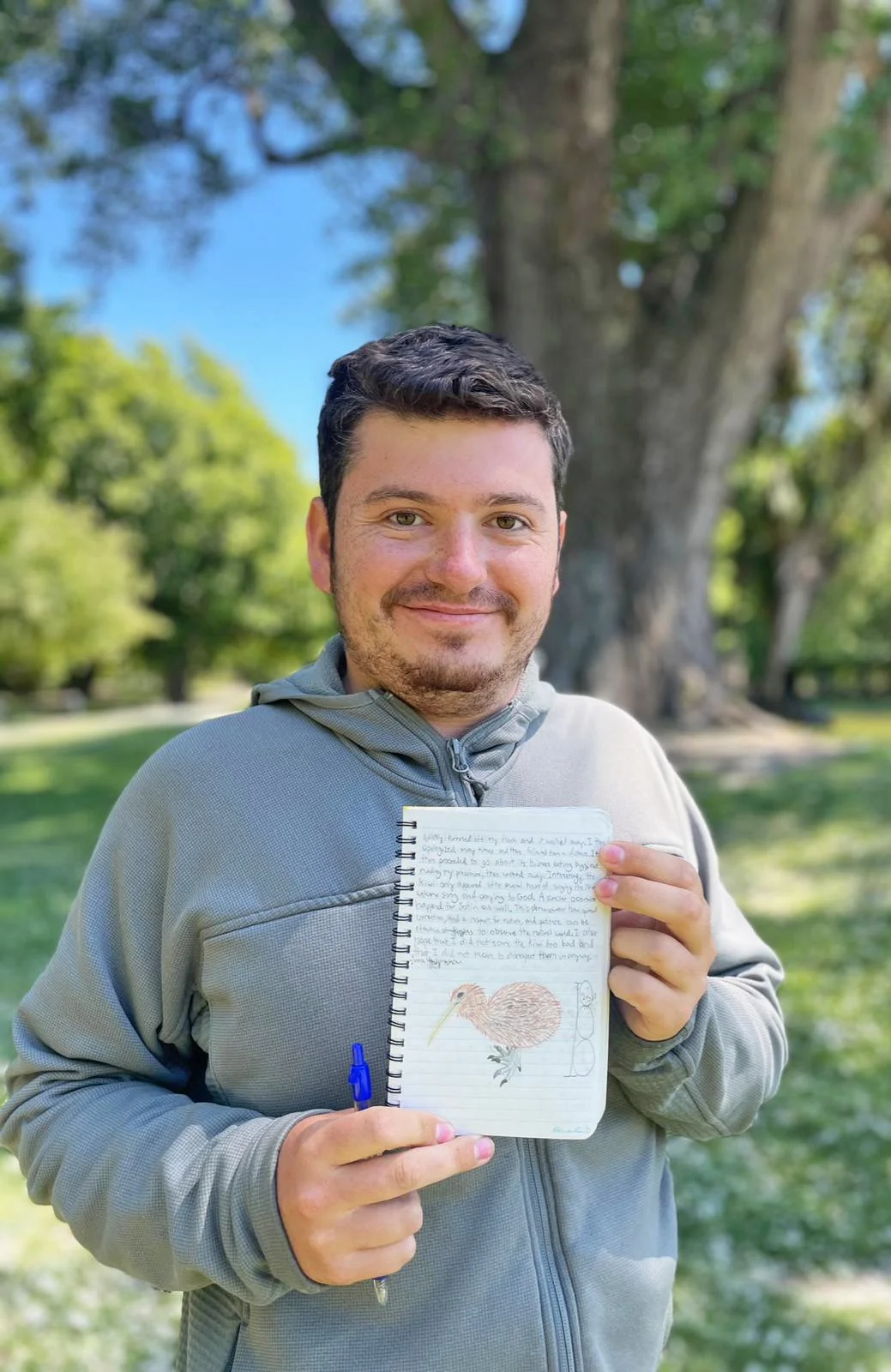
By the end of the program, students will have a comprehensive understanding of island biogeography, endemism, and the innovative, and sometimes controversial, strategies used to protect New Zealand’s vulnerable species. Students will leave with practical field skills, including ecological survey methods, research design and presentation, and techniques for keeping a detailed field journal. Working alongside local conservationists, the Department of Conservation, and Māori communities, they will develop a deep appreciation for the intersection of Indigenous knowledge and modern conservation science.

Academic Syllabus

Student Program Manual

Stories From the Field

Kuba Naum
New Zealand 2023 Alumni
“Truly a program like no other. The places I got to see and the epic hikes I got to go on were some of the most amazing experiences of my life. And by the end of the program, we were all so close it was hard to say goodbye.”
WATCH Kuba’s Video
Kayla Keyes
Lead instructor-Fall 2026, Spring 2027 and 2028MA in Biology, Miami University of Oxford, 2019
Kayla is a marine biologist and ocean advocate based in the North Island of New Zealand. She specializes the human connection with marine and coastal ecosystems to design community-based conservation initiatives. Kayla has worked as an environmental educator in a variety of global marine hotspots including Florida, Australia, and New Zealand. She currently works in New Zealand as a marine researcher and the Education Director for the Tangaroa Research Institute of Oceanographic Studies as well as with Māori groups to understand local culture & customs in connection with te moana (the ocean). Kayla leads our New Zealand and Australia programs.
Kayla’s Other program:

Daniel Couceiro
LEAD INSTRUCTOR-Fall 2027PhD Candidate in Education and Learning Sciences, Wageningen University
Daniel is a conservation biologist and ecologist focused on the connection that humans hold with the land, and how this sense of place and territory can be leveraged to motivate environmental stewardship. Daniel has worked in the Peruvian Amazon as the manager of the Wired Amazon Project, a citizen-science research initiative that investigates jaguar populations, Brazil nut trees phenology and discovers new species of insects. He became a National Geographic Explorer and Rufford Grantee in 2020 with the creation of a conservation education program in Colombia oriented towards the engagement of the youth of rural communities in wildlife protection. Living half the year in Bulgaria and the second half in Colombia, Daniel works as a consultant for different conservation projects. Daniel leads our Belize and New Zealand Programs.
Daniel’s Other program: